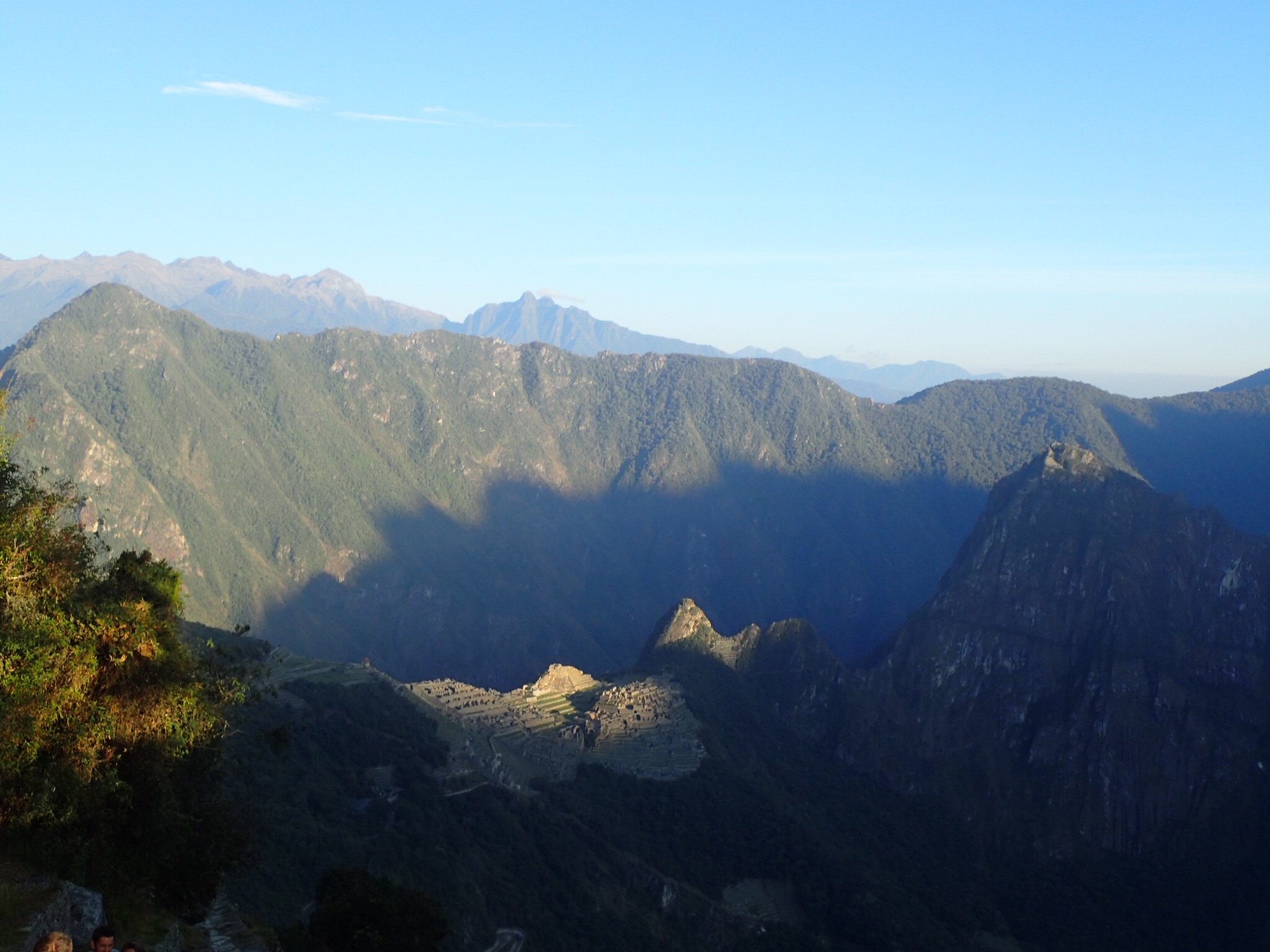
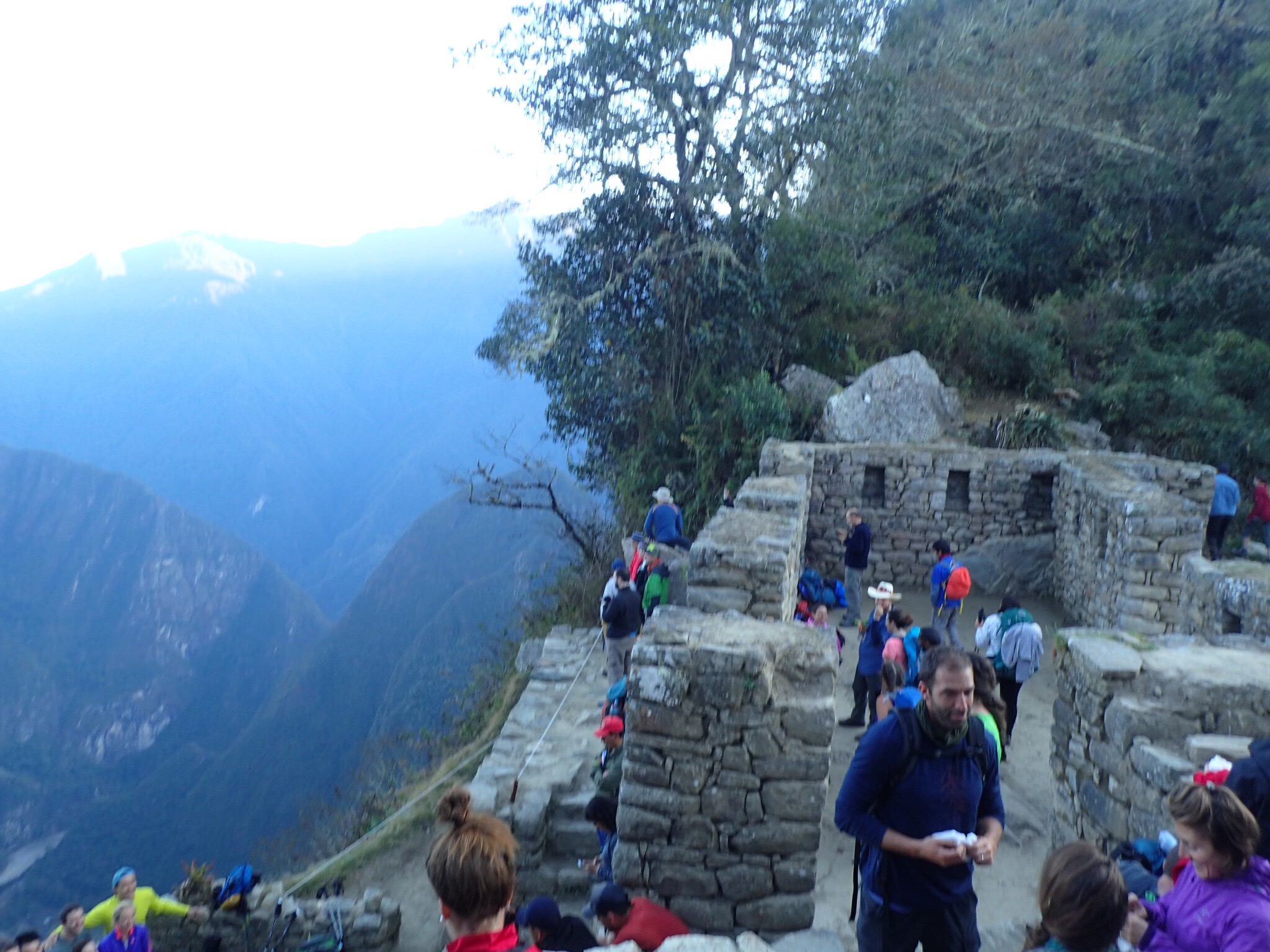
Day 4: We awoke at 3:30am for our final leg of the Inca Trail to the Sun Gate that overlooks Machu Picchu from above. We had hiked for 3 days to get to this point and it was beyond exciting that we were finally going to see the lost Inca city, but at the same time sad that the experience was coming to an end. I never thought I would be sad that the hike was over with because I’m not an avid hiker nor have I ever done a multi day trek, but hiking the Inca Trail was truly an incredible experience. Finishing the trek along the mountainous trail with all the other excited hikers while the sun was starting to rise was exhilarating. It was like waking up early on Christmas morning to rush down and open presents. When we all walked up the final hill through the Sun Gate to get our first glimpse of Machu Picchu it was surreal since we had booked this months in advance and been preparing ourselves for the strenuous trek and now it was over, we had finally made it.
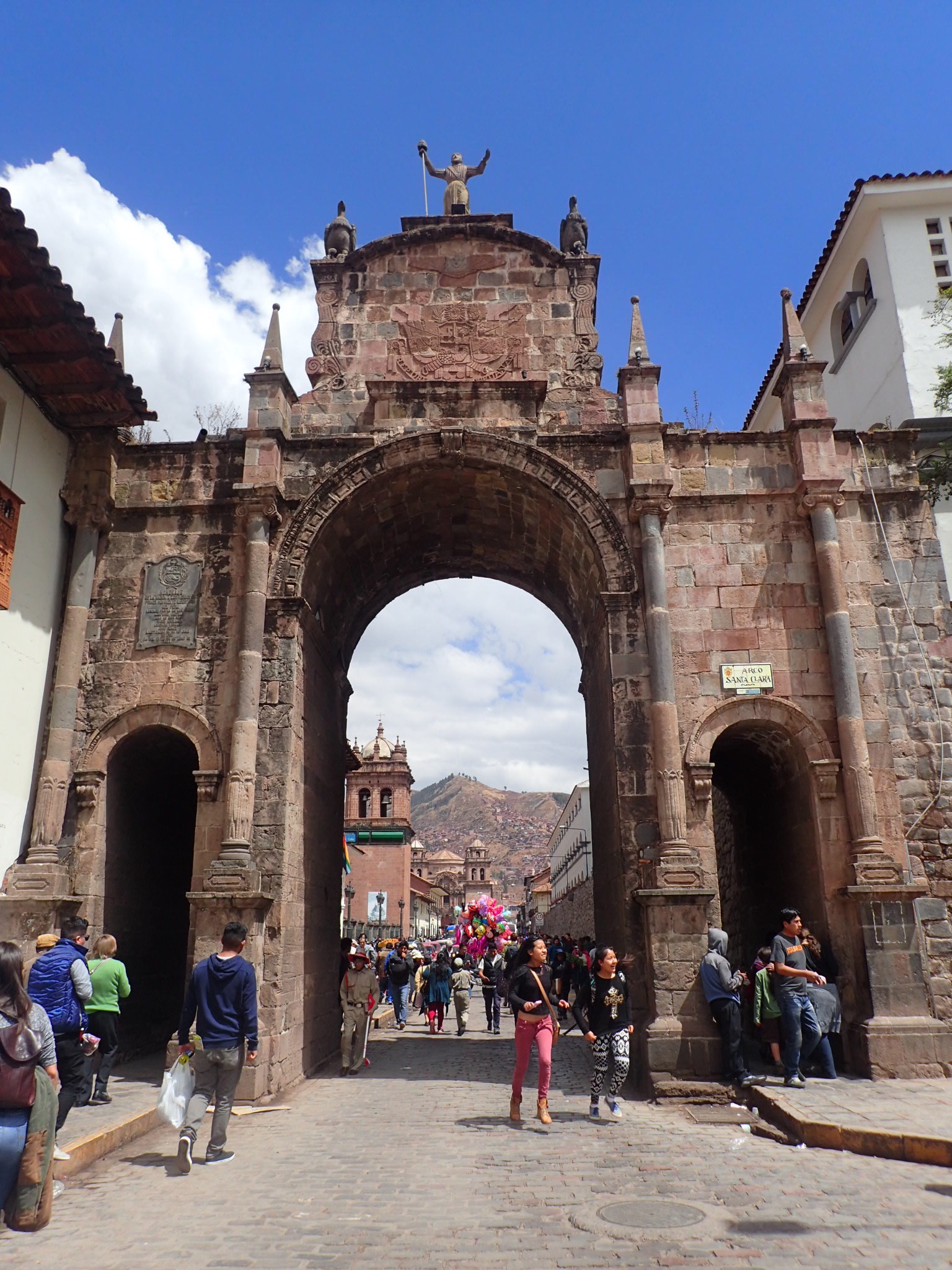
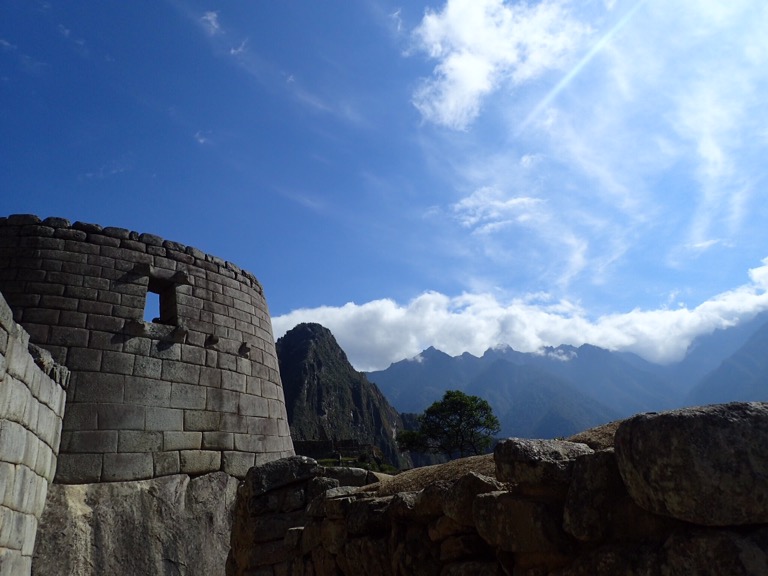
The trek wasn’t only about the hiking itself, it was a great learning experience of the Inca culture and also a spiritual experience connecting with Pacha Mama, which is Quechua (the native language) for Mother Earth. Cusqueñas and the native Andean people have a great admiration and strong belief in Pacha Mama which stems from the ancient Inca and pre-Inca cultures. As soon as we arrived in the city of Cusco, once the capital of the Inca empire, I noticed the contrast between a lot of the Inca architecture and stonework that still stood, and the European influence from the Spanish conquest. Where there were once Inca temples now stood towering cathedrals, many cathedrals, almost one every couple of blocks in the main squares. I mean, how many churches do you need in such close proximity to one another? The Spanish obviously wanted to make it clear whose religion was more important when they decided to invade and “civilize” an already civilized and advanced culture. The Quechua people built their finest buildings, usually temples and houses for the Incas (who were the Kings), out of perfectly cut stone which fit together with other perfectly cut pieces of stone using a dry stone technique without the use of mortar. They also built these structures at an angle and combined with the dry stone technique this stabilized the buildings during earthquakes. There are many of these original stone structures throughout the city which have been used as a base for other buildings and it’s pretty incredible how well preserved they are. Cusco also has a nice mix of old and new world charm. Cobblestone streets & predominately brick buildings mixed with modern restaurants and cafes, along with camping supply and upscale outdoor recreational stores for anyone who needs items for Machu Picchu and other treks.



Cusco is the starting point for Machu Picchu and we arrived five days before the trek to acclimatize to the 11,000+ altitude and avoid getting altitude sickness. I was personally nervous and excited for the Inca Trail trek since you hear a lot of people mention how tough it is, yet a very rewarding experience. We met with our tour operator and guide the night before to go over everything and pick up our duffle bags, which we would need to fill with clothes for the next 4 days for the porters to carry. The next morning we were picked up bright and early at 5:30am to drive the two hours to the trail entrance near Ollantaytambo and we were off! We met our team of porters, who have an incredibly tough job of carrying our bags, all camping equipment, food and utensils, and the portable toilet the entire way…and they have to be the first ones to arrive and set up camp and the last ones to pack everything and leave. They are incredible and do a tremendous job.
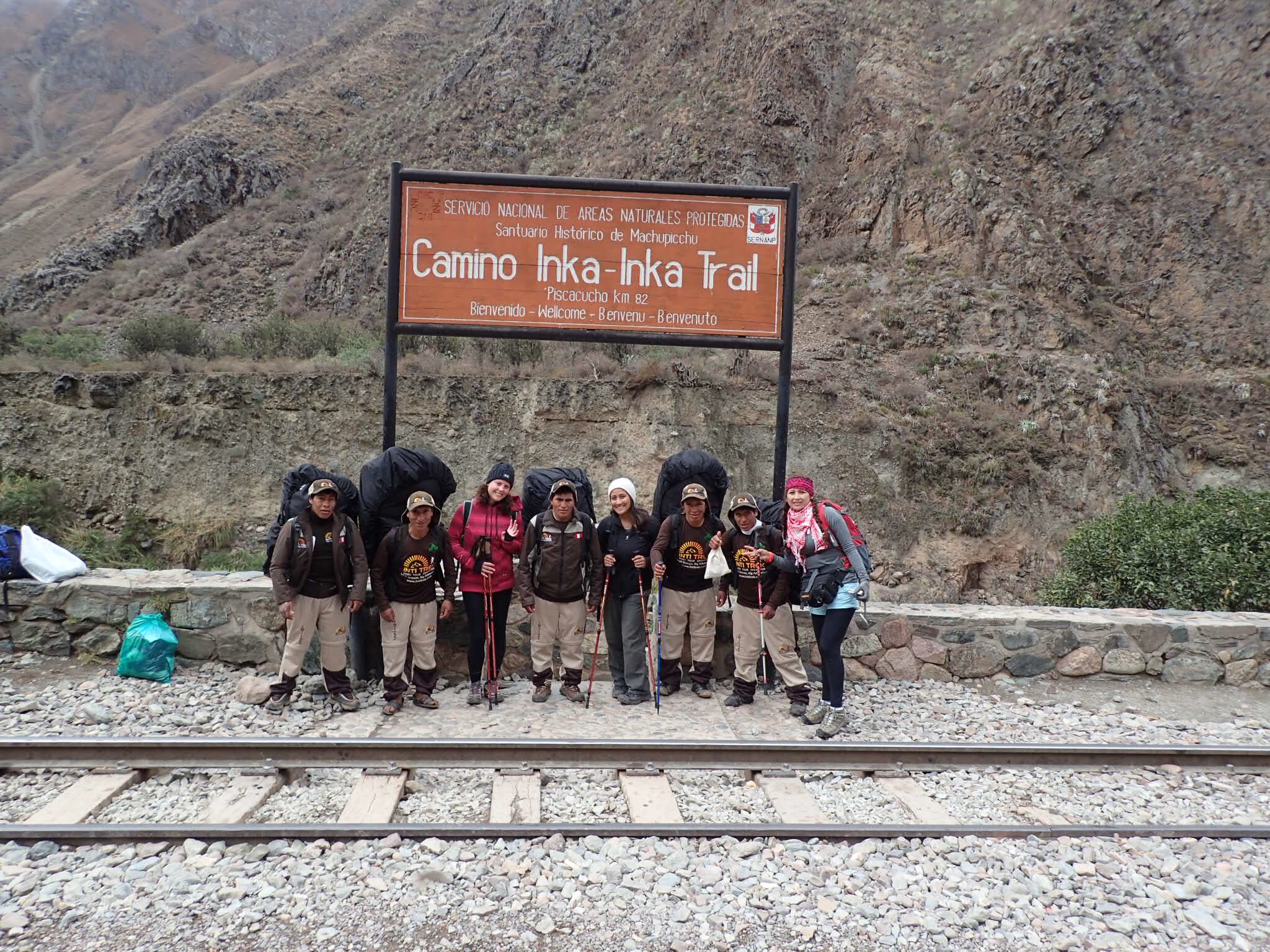
Day 1: Once we got through the checkpoint to the trail entrance at km 82 it was a rather easy day of hiking. We hiked in total for about 7-8 hours through some of the local communities along the Urubamba River and stopped for our three course gourmet lunch for about an hour. All the meals on this trip were insanely good considering everything has to be prepared at a campsite on a camp stove. Our chef, Fernando, was amazing and the chef position is apparently a very competitive job for this trek so we had the best of the best. Our guide Elizabeth, who was a native Cusqueña and had been giving tours of the Inca Trail for 12 years, stopped at various points of interest and Inca ruins along the way to explain the story of the Incas and how the Inca trail to the lost city of Machu Picchu was significant. Most of the ruins we saw during the trek were used for farming, lookout posts, or resting spots used when the Incas made their journey. When we arrived at camp, we celebrated our first complete day and indulged in a “tea time” with snacks, tea and hot chocolate, followed by a fabulous dinner. They really made sure we didn’t go hungry on this trek.

Day 2: Everything we heard and read said day 2 is the most challenging because the majority of the hike is all up hill, specifically up a trail called Dead Woman’s Pass (altitude 13,828 ft) 😑. We anxiously awoke at 6am to begin the Highway to Hell as we named it. It was definitely a tough day hiking for another 7-8 hours up and down two steep passes taking many little breaks along the way. Even the porters had to take many breaks. Since there were other groups on the trail as well it helped motivate everyone to keep going, when we really just wanted it to be over. In the end, it was rewarding to complete both passes and the views from the top of the mountains were absolutely spectacular. Once we were finished with day 2 we knew the rest of the trek would be smooth sailing.


Day 3: Our final full day before hiking to MP was much easier and shorter than the previous days. Our guide Elizabeth conducted a Mother Earth ceremony, which is a common small ceremony to pay tribute, and the local people do these ceremonies throughout the year specifically in August. They leave different food, drinks, coca leaves and other little trinkets to give to Pacha Mama so that they can have a prosperous year, specifically for farming. For our ceremony, we each chose a small stone from the trail and placed it on an altar made of a larger rock with coca leaves and asked Pacha Mama for something good for someone else, all while looking out over the Andes.
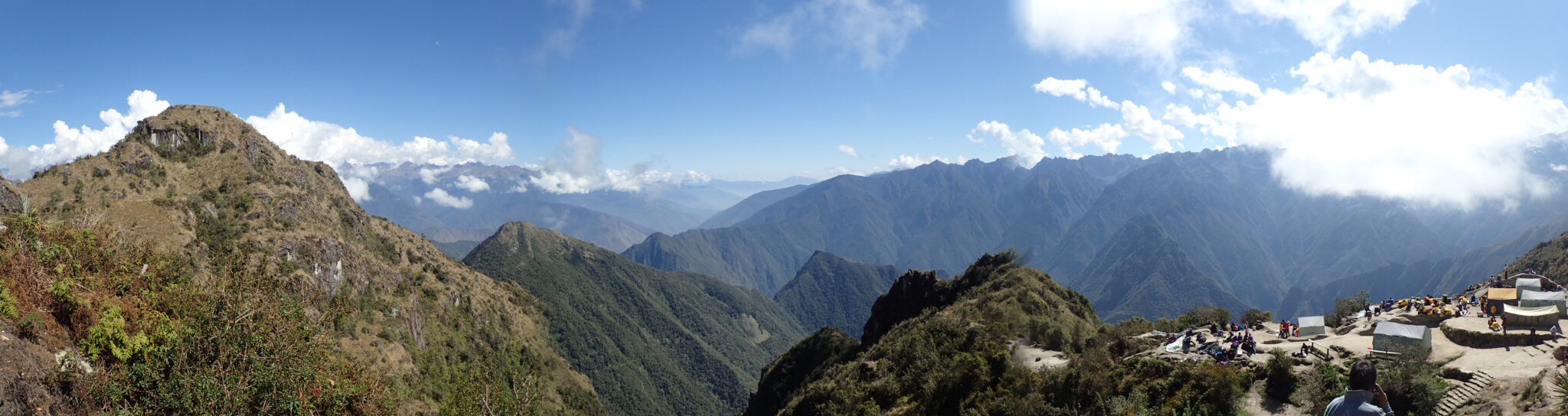


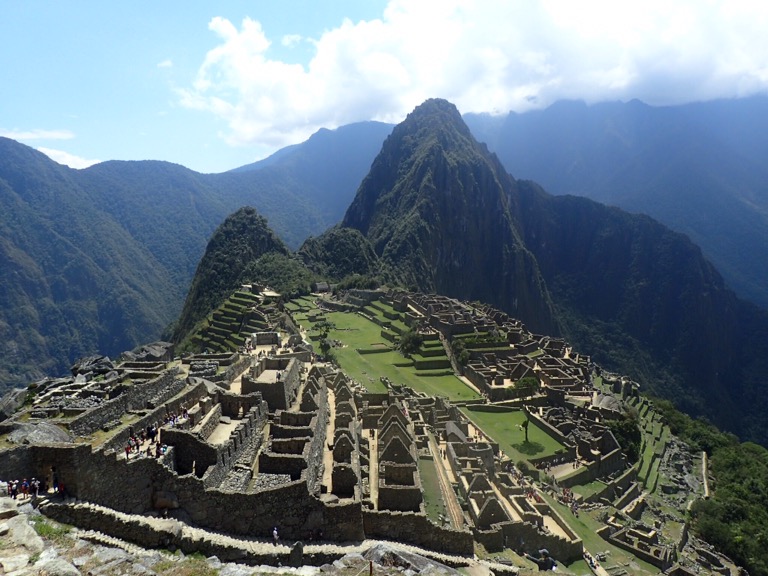
Machu Picchu: Arriving at MP was bittersweet and completing the hike was truly an accomplishment. We saw all of the tourists who took the bus up to visit for the day and couldn’t imagine that they appreciated it as much. It’s quite an amazing city set between two soaring mountains in the middle of the Andes. No one really knows what MP was intended for since it was never completed and because the Incas didn’t have a written language, but our guide seems to think it was going to be the new capital and a university, perhaps. Others say it was the sanctuary of the Inca Pachacuti, but there are about 8 different trails that have been discovered leading to MP so Elizabeth said it doesn’t make sense that it would be a secluded fortress if there were that many access points. The ruins of Machu Picchu are in such good shape because the Spanish never found it when they were invading and it’s been restored and preserved since 1911 when Yale Professor Hiram Bingham visited and brought global attention to it. MP was also strategically positioned on purpose. The location provided protection because the people of the city could see below but intruders couldn’t see them. It was also directly in line with Cusco and each cardinal direction was directly in line with the four sacred mountains they worshiped. Other strategic alignments included the sun, constellations, the direction of the Milky Way, and the Urubamba River below, which is quite interesting. The ruins consist of multiple temples exhibiting the same perfectly cut stonework, gathering places, farming terraces, irrigation systems, areas where astrology was studied, and of course shelter. The ruins on the upper part of the hill were for royalty, the Incas, whereas the lower ruins were for commoners. It was an enlightening experience to learn that people from hundreds of years ago were able to build and design something so complex relying solely on nature and its resources. If you have the chance to visit Machu Picchu definitely go for it and if you have the chance to hike the Inca Trail it will be something you’ll never forget.



 The Adventures of Jenny Quest