The Ritz- Santiago, Chile: days 92-109 & 115-117

When you’re traveling long-term it’s not always about seeing all the main tourist attractions and/or visiting as many places in one country as possible. A lot of times it’s about stumbling upon people and unexpected friendships that make traveling all the more worthwhile.

When we first checked in to Ventana Sur we didn’t realize that it would be just like Hotel California- where you can check out any time you like, but you can never leave. Ventana Sur Hostel, or The Ritz as we like to call it, in Santiago, Chile was just what we needed after a couple of months in the Altiplano throughout Peru & Bolivia. If you ask a lot of travelers what they think of Santiago they usually say it’s just another modern, European-esque city that doesn’t really give you a good sense of the Chilean culture. I personally loved it. Maybe it was because we had been engaged in a lot of cultural traveling in the other countries and it was time to visit somewhere that reminded us of home. We ended up staying way longer than planned, but it was definitely worth it.

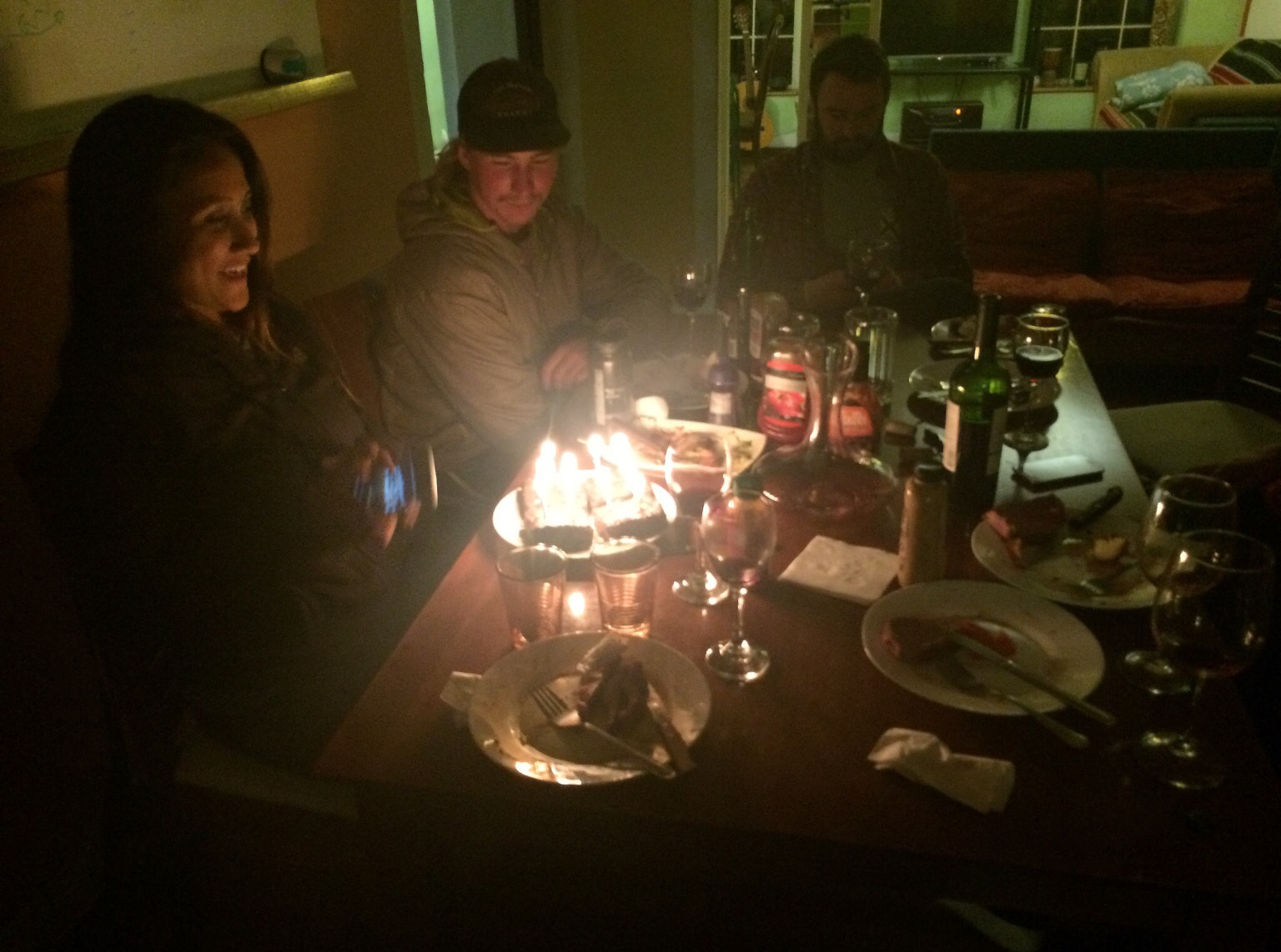
When we first arrived at Ventana Sur, we were greeted by the owner, Ivan, who owned the house which was the hostel. It was a charming house with only four bedrooms, a sunny kitchen, and a tranquil backyard located in the trendy neighborhood of Barrio Italia. For a hostel, it had a warm and homey feel to it compared to some that are too big and out of control. We were instantly lured in when we saw “Free Wine Tasting Tonight at 7:29pm” written on the community dry erase board. All the guests moseyed down to the dining room around this time and gathered round for the wine tasting. Besides the two of us, the group included two guys also from the U.S., a Brazilian couple, and a solo Brazilian traveler. Ivan started pouring the wine and we all started chatting and exchanging stories to the point where we were about seven bottles in, playing UNO and rocking out to TLC, Tupac and other old school tunes chosen by Ivan. It was a great welcoming. Ventana Sur is famous for their BBQs so we convinced Ivan to have one the following day, porque no? Everyone contributed some type of side dish or snack and Ivan worked his magic on the grill. We were also joined by Ivan’s friend Julie from Belgium, or as Ivan calls her in Spanish, Julia (pronounced hulia), and we celebrated the start to Cara’s, my travel pal, birthday weekend with fudge brownies from the bakery on the corner.


We were lucky enough to be in Santiago for their Independence Day and Ivan threw a huge BBQ to celebrate. Steaks, churi pan (grilled sausages in bread similar to hot dogs), empanadas, ribs, a spread of side salads, plenty of cervezas, Chilean wine, and of course terremotos (in English it translates to earthquake) which consist of wine, fernet, grenadine, and pineapple ice cream…it’s a specialty cocktail of Chile that will have your head spinning. The hostel had more guests from the U.S., including a young man who was attending Stanford and knew more about Classic R&B than everyone in the room put together, Ivan’s Chilean friends, and some Germans (they’re everywhere). It was a beautiful day for a BBQ and the whole city was celebrating. That evening we took a hostel field trip to the stadium where there was a carnival and fondas, which are the traditional Chilean parties.


The days went by, and after our sporadic sightseeing, daily visits to cafes, gelaterias and local bakeries (where most of my money ended up going), we spent the remainder of the afternoons reading by the pool, indulging in more BBQs, jamming out and singing along to Ivan’s seriously extensive music collection, cooking in his fabulously stocked kitchen, or just hanging with Ivan, Julie and the other guests. Many of the other guests who stayed at the hostel were just passing through and probably thought it was strange that we had been there so long. It was another unexpected Vortex! We met a lot of great people from England, Argentina, Brazil, and the U.S.

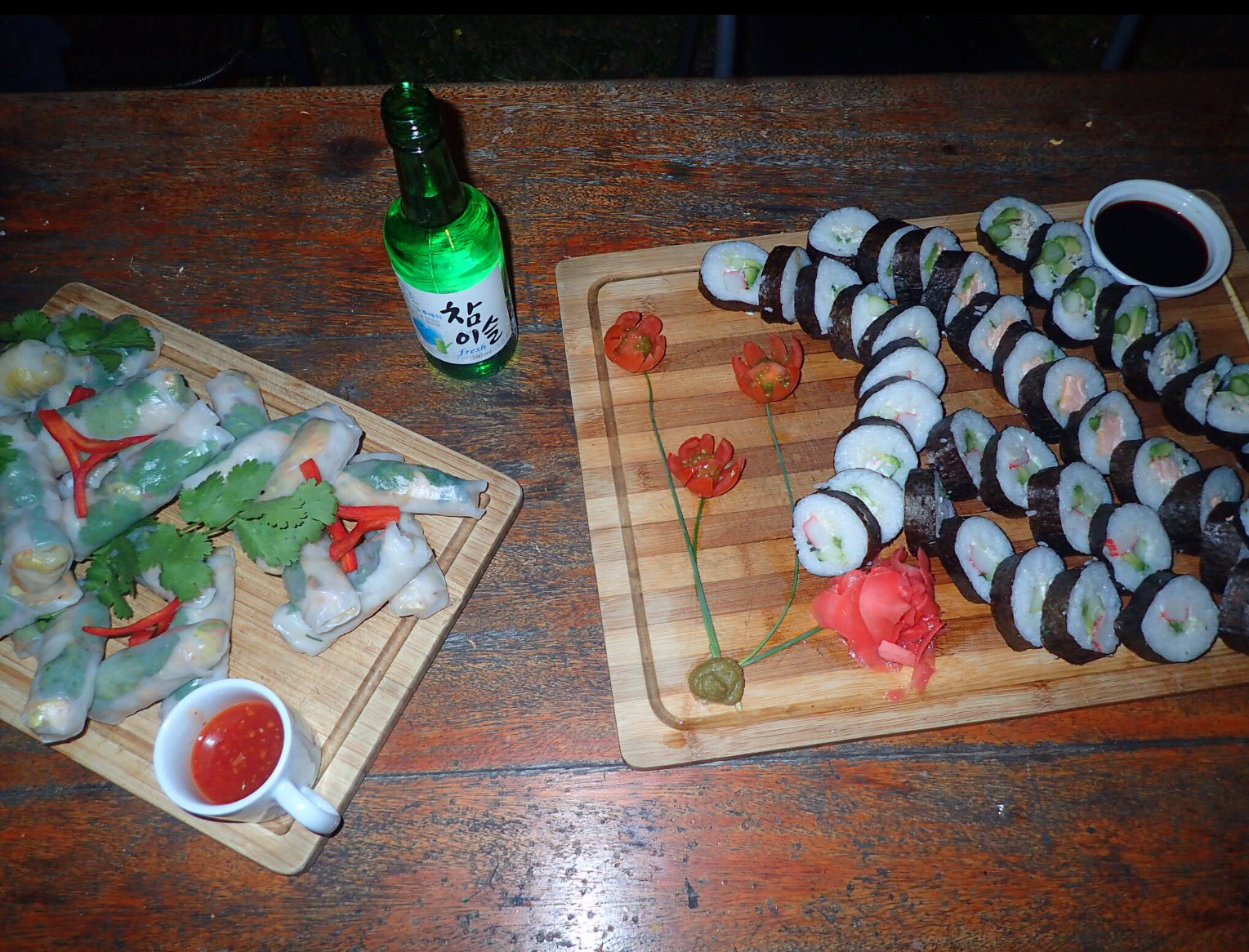
We took hostel field trips to Starbucks and the markets. One of the guests, an Australian guy named Daniel, was a former sushi chef so we all decided to make sushi for dinner and venture out to the fish market, veggie market, and the Asian food store to pick up our ingredients. It was like an episode of top chef running around to gather all the ingredients before the markets closed. He put together everything we needed to roll our own sushi. He also made spring rolls and we had a feast. The night ended with homemade Karaoke consisting of classic Toni Braxton & Shakira with Ivan’s friends Jorge & Jason who live nearby.

Another great person we had the pleasure of meeting was Ivan’s good friend Isabela from Rio. We heard so much about her and when she arrived Ivan hosted a BBQ for all of their old friends and of course the hostel guests. Hanging out with Ivan, Julie, and Isabela the last week we were all there was definitely one of the best times of the trip. We were off to our next adventure, Julie was off to Peru then back home to Belgium, Isabela was headed back to Rio, and Ivan was unhappy that he was going to have to wait for another awesome group.


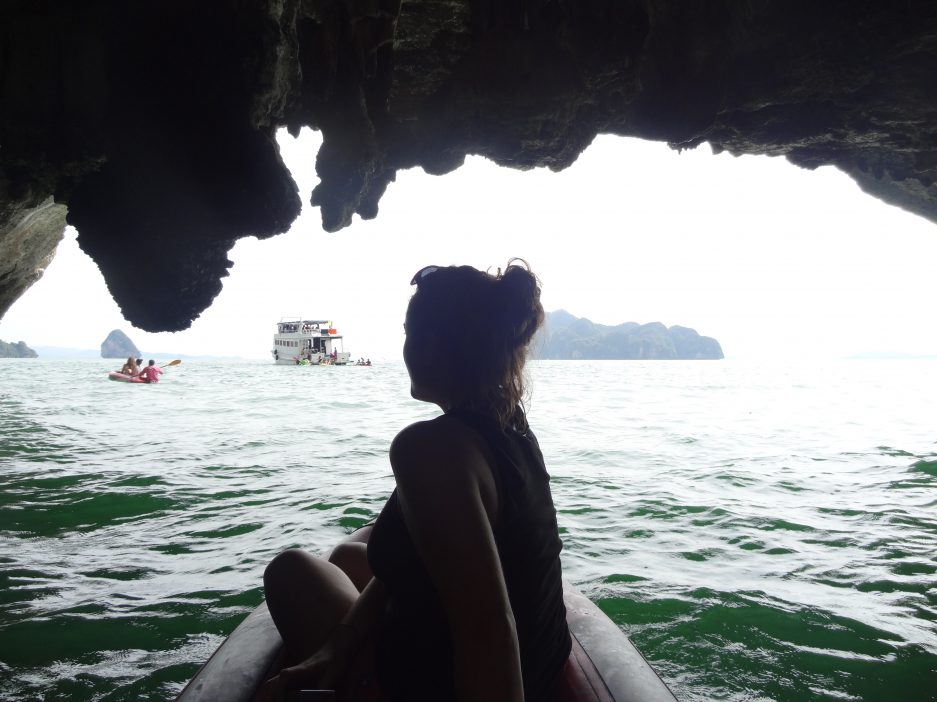
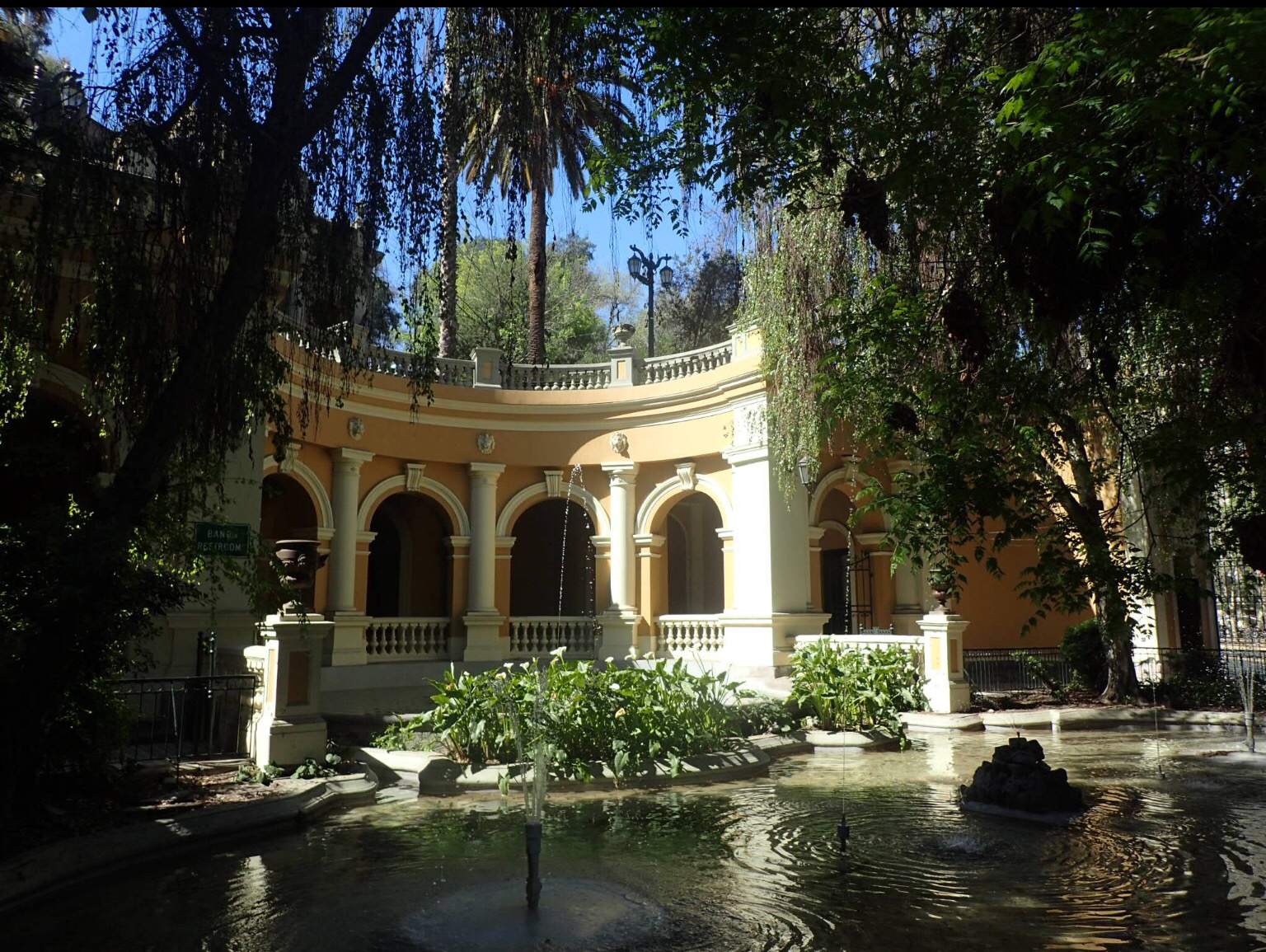
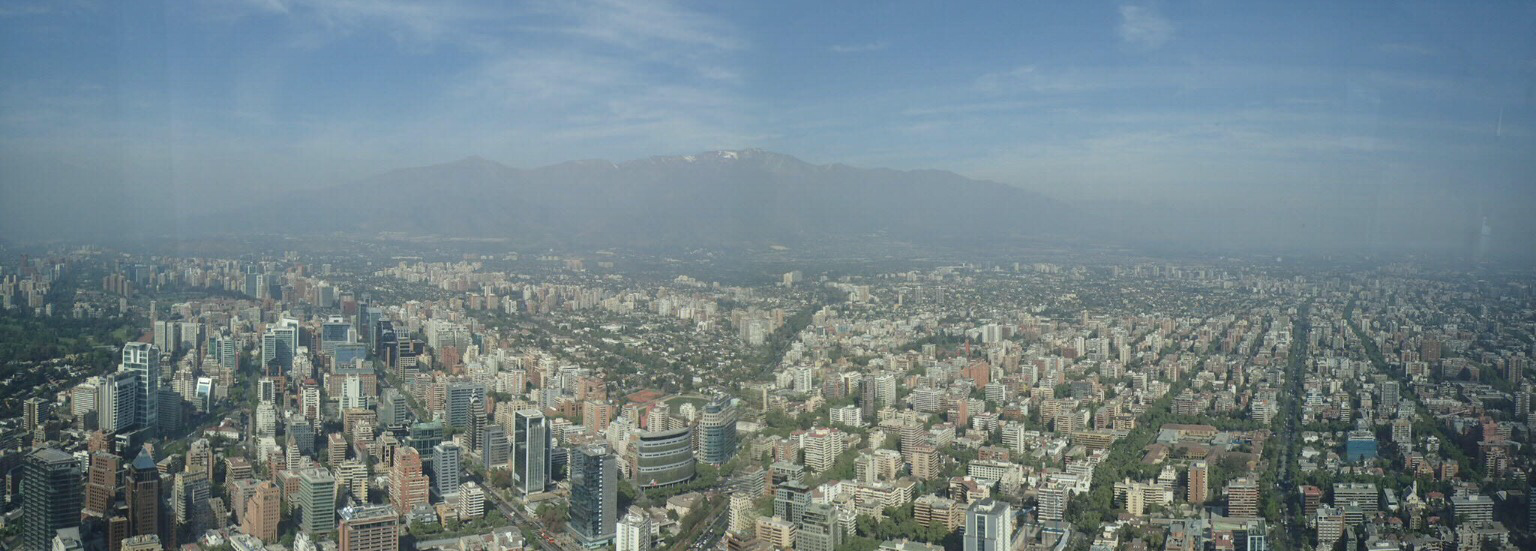
Santiago is a beautiful city, albeit incredibly expensive and probably the most expensive of South America, and it was going into the spring season so it was the perfect time to be there. The sprawling parks, classic and modern architecture, plethora of museums, hidden cafes and shops, and local vineyards were worth visiting, but The Ritz was what made us stay. Ivan’s lovable hospitality was inescapable and who knows how long we would have stayed if we didn’t have to keep moving forward. We did visit a couple of other nearby cities and of course Patagonia, but we stayed twenty days at The Ritz making new friends and sharing some memorable experiences.

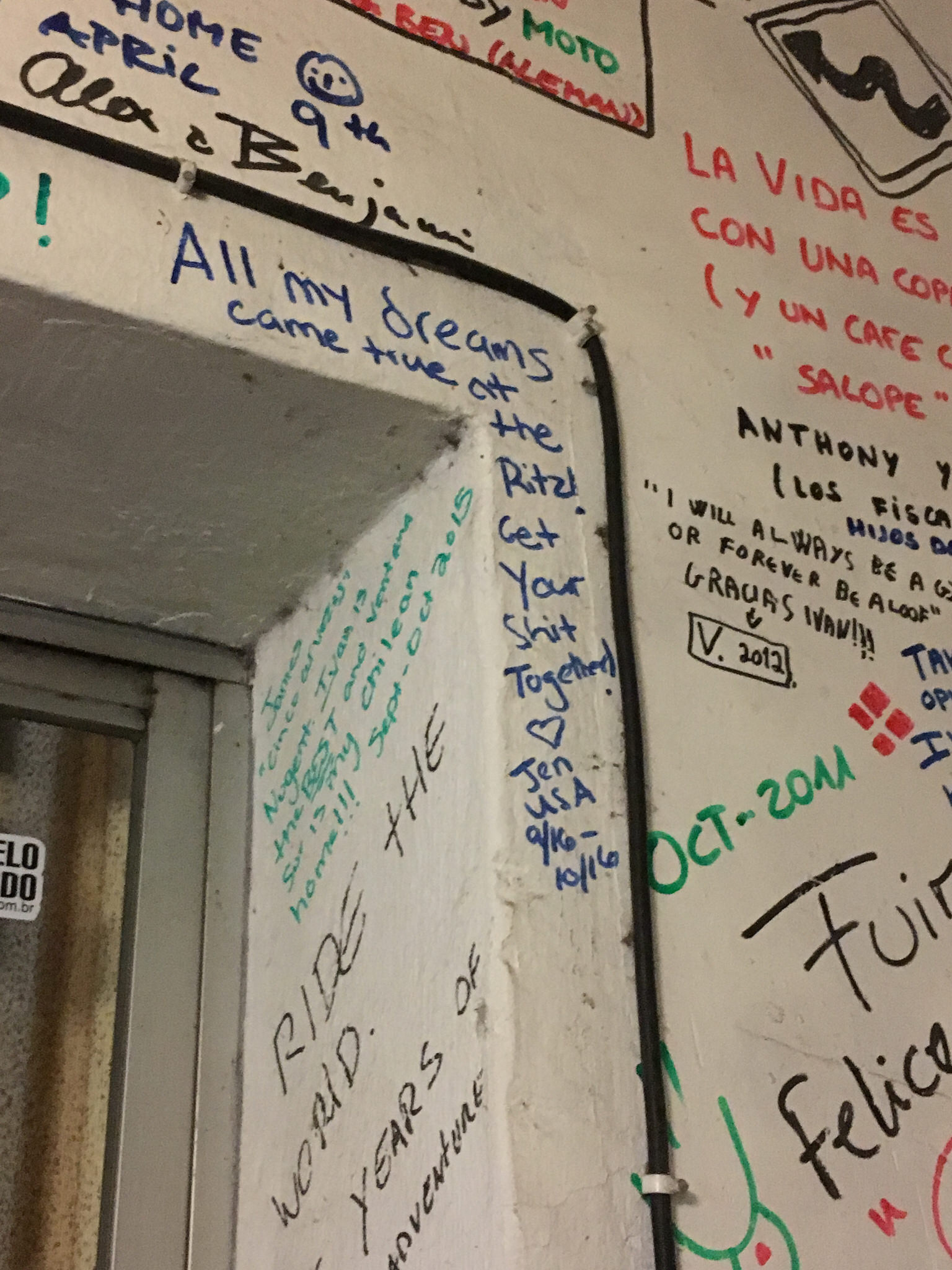
I remember when I first arrived at Ivan’s I noticed that the outside walls of the back of the house were covered in marker written messages from visitors over the years. It was so fun to read them all and wonder what we were getting ourselves into. By the end of our stay I understood how relatable they were. People who had written that they got sucked in for three months when they were supposed to stay a few days. People who raved about the BBQs. People who had a genuine love for Ventana Sur. Our final day came at The Ritz and it was our turn to add a note on the famous wall, which was certainly bittersweet. It was the end! But I will definitely return to Santiago. ¿Porque No? (Why not).

Eating my way around Madrid: days 118-122

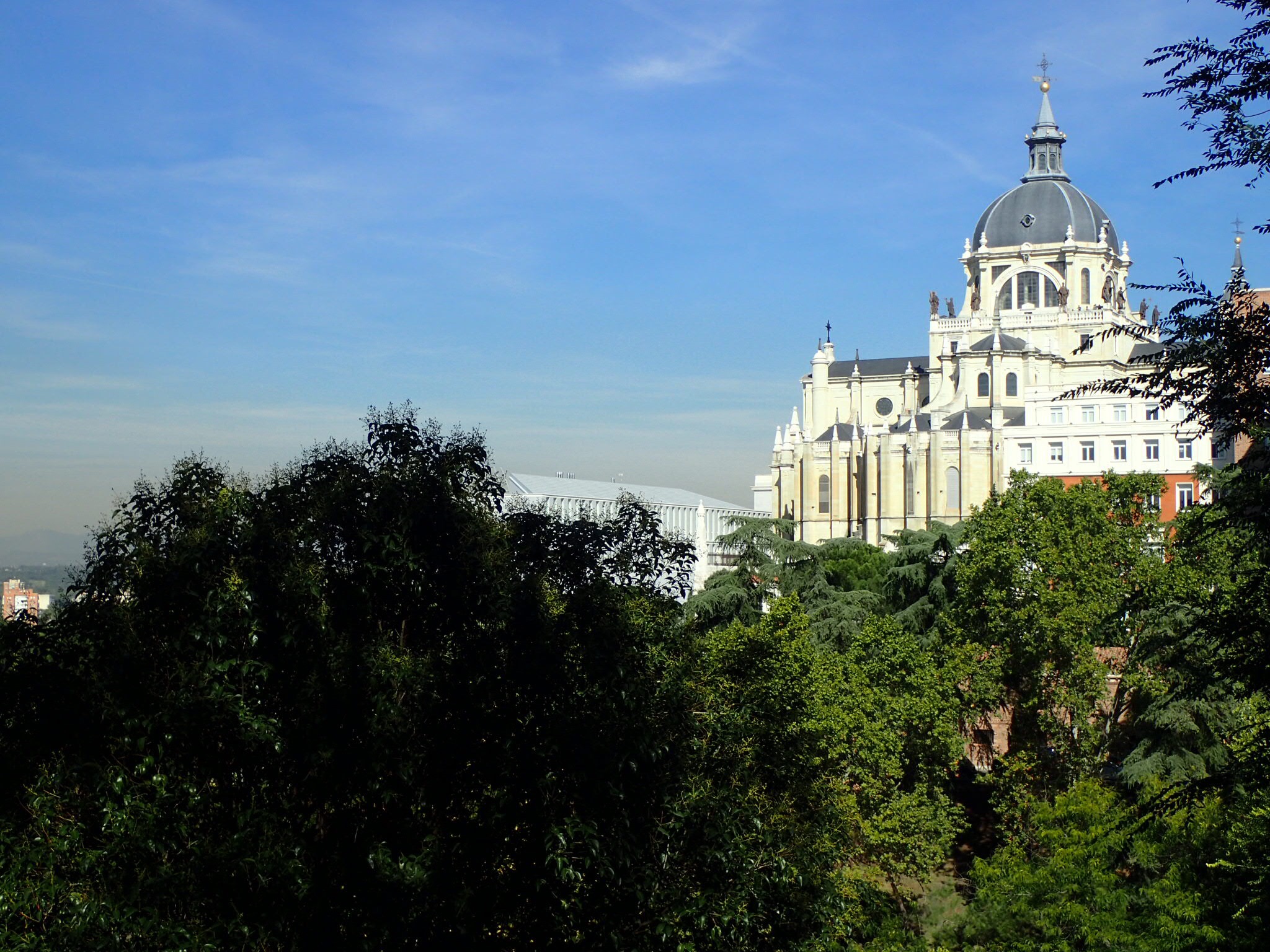
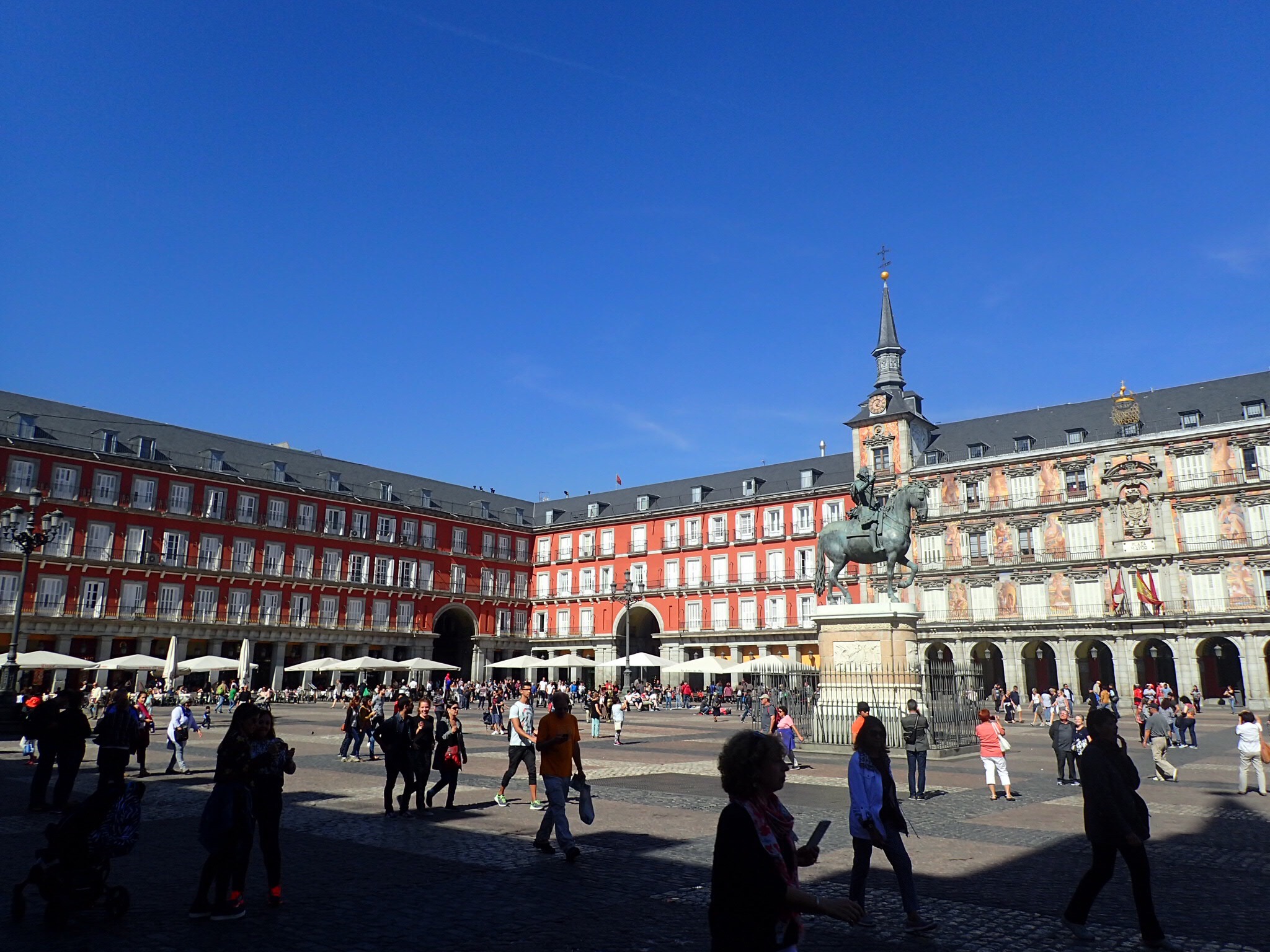
After visiting all of the Spanish colonies in South America, we decided to head to the mothership itself. It wasn’t part of the plan, but it was actually cheaper to fly to Madrid and then fly to South Africa, which was where we were actually headed. Yes, the plane ticket was cheaper, but after five days of pure indulgence on tapas, wine, and sangria, it probably came out to be the same price as a direct flight. On the bright side, it’s always fun to throw in a surprise city, especially Madrid since I had not yet been to Spain and it was on my list, of course.


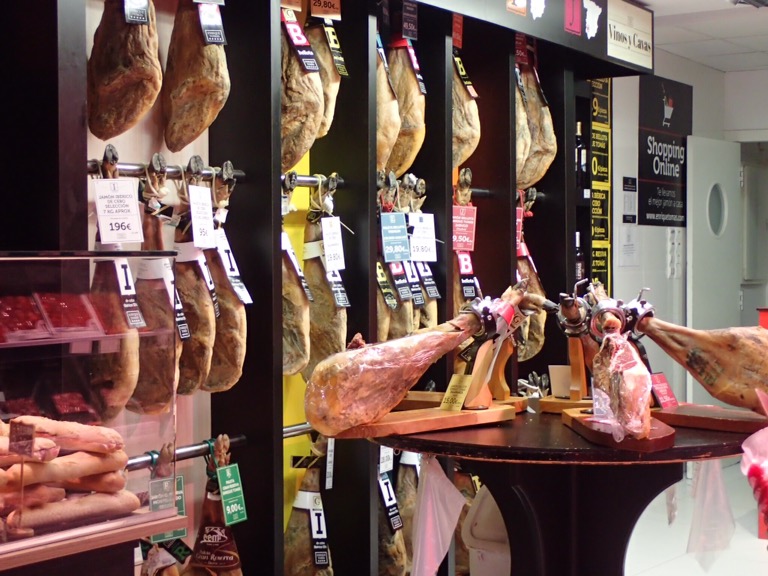
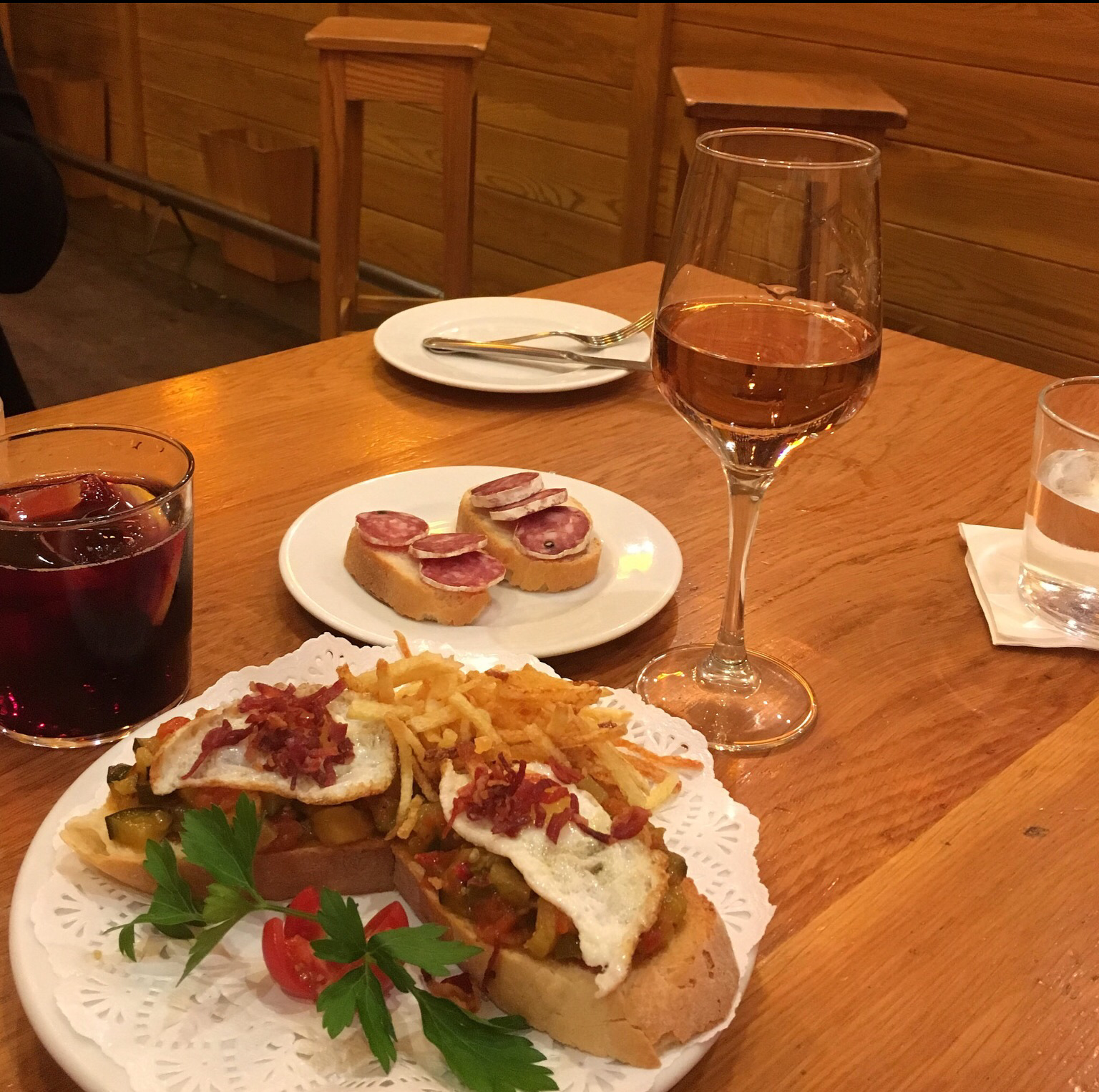
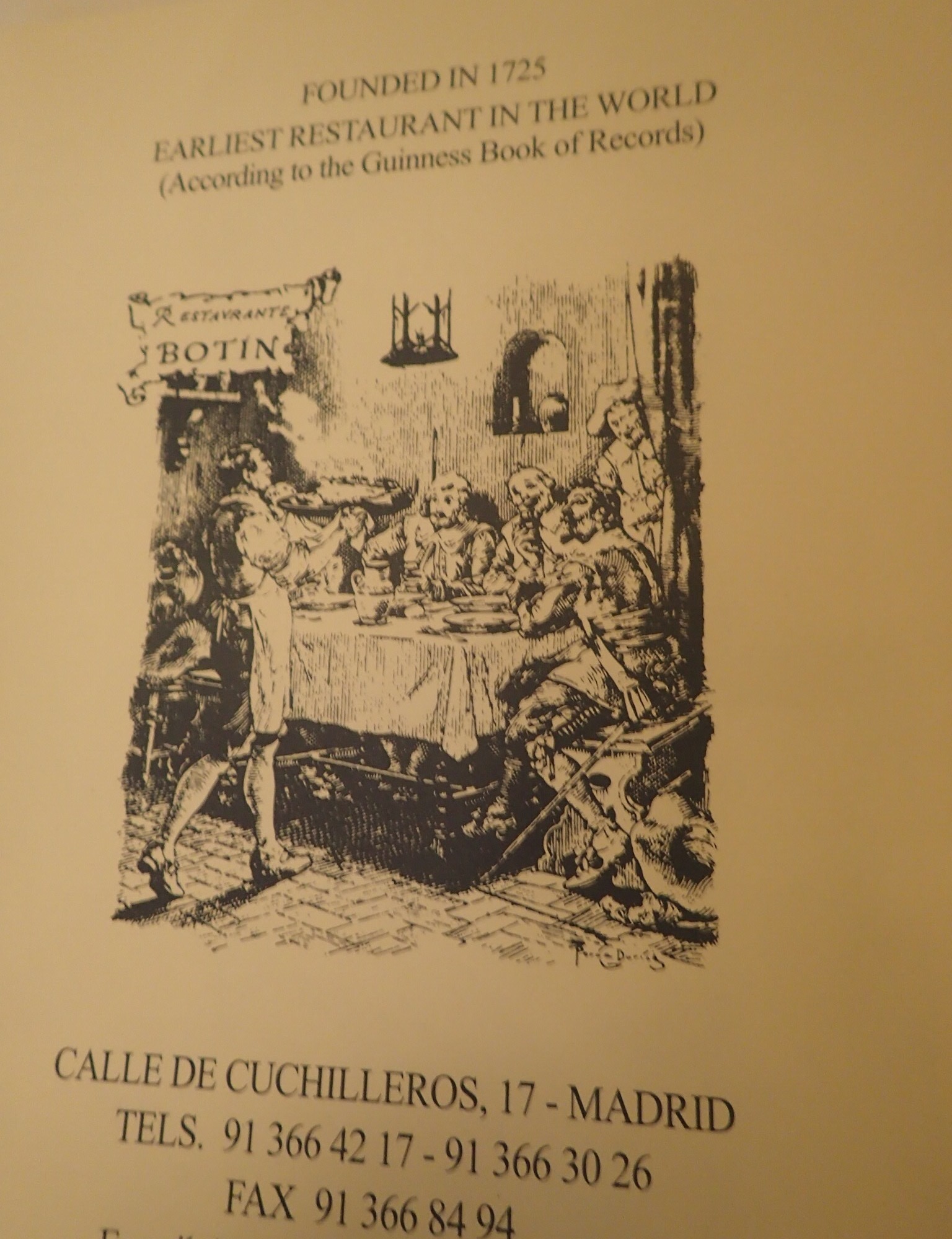
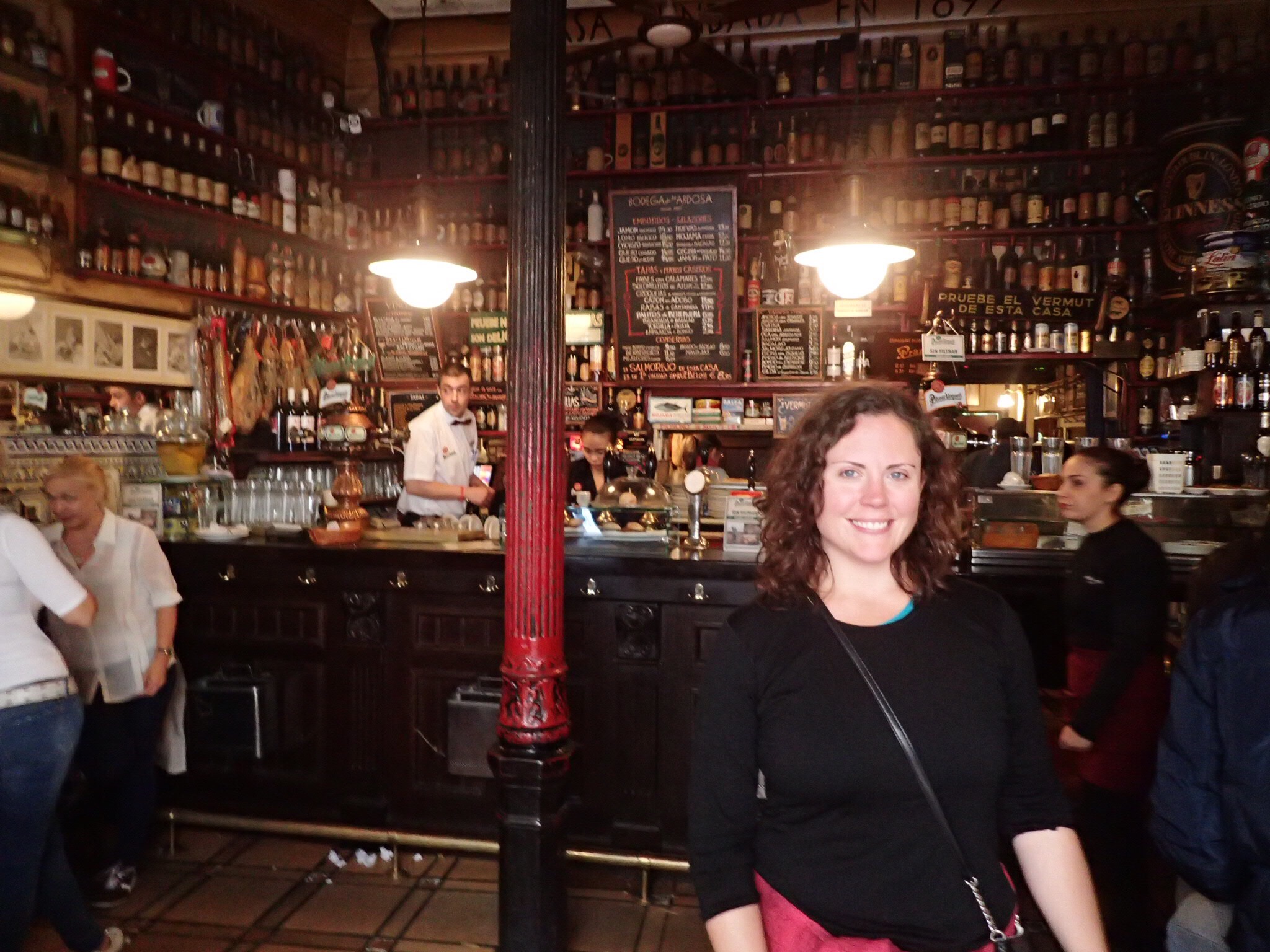
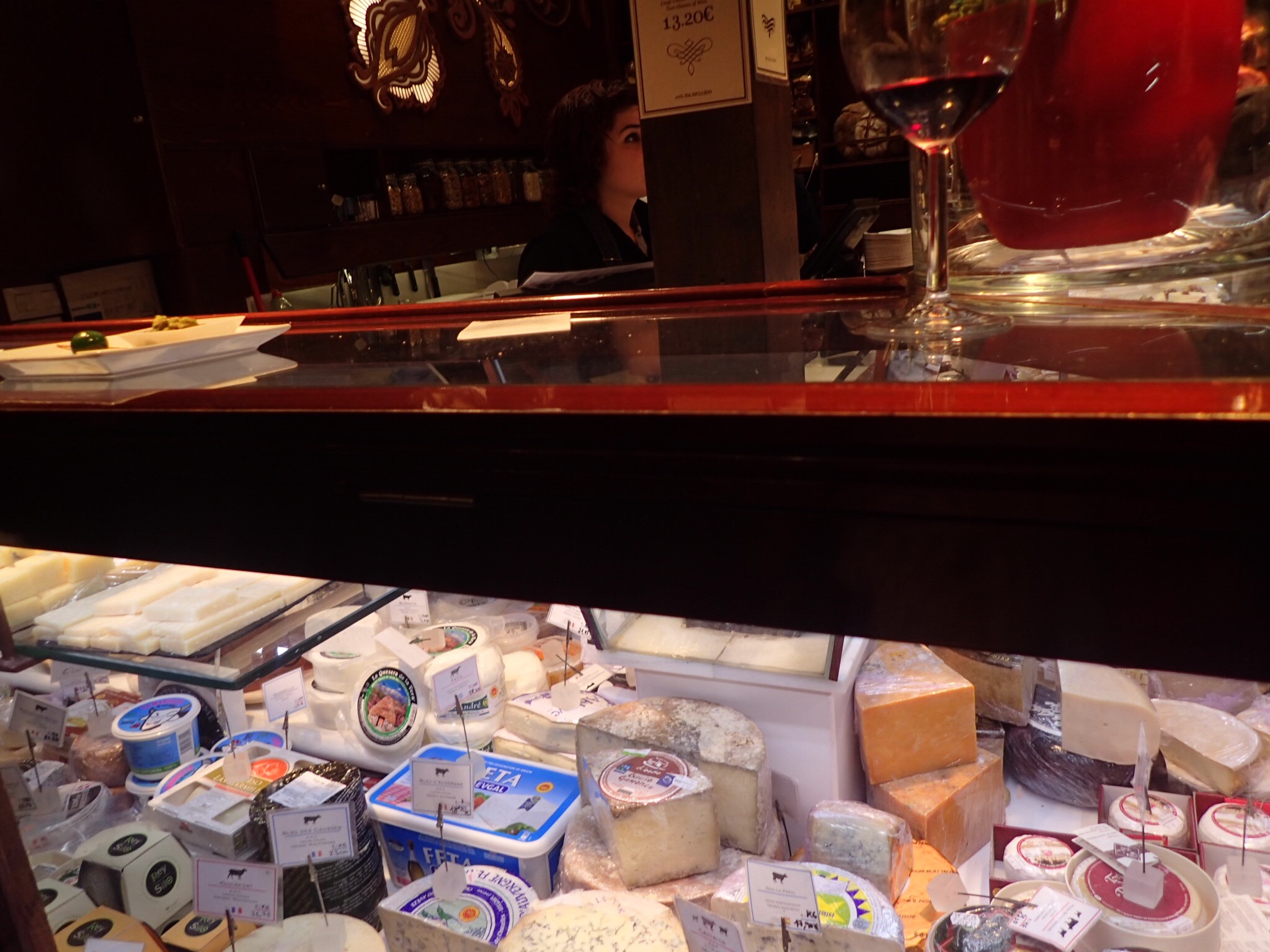
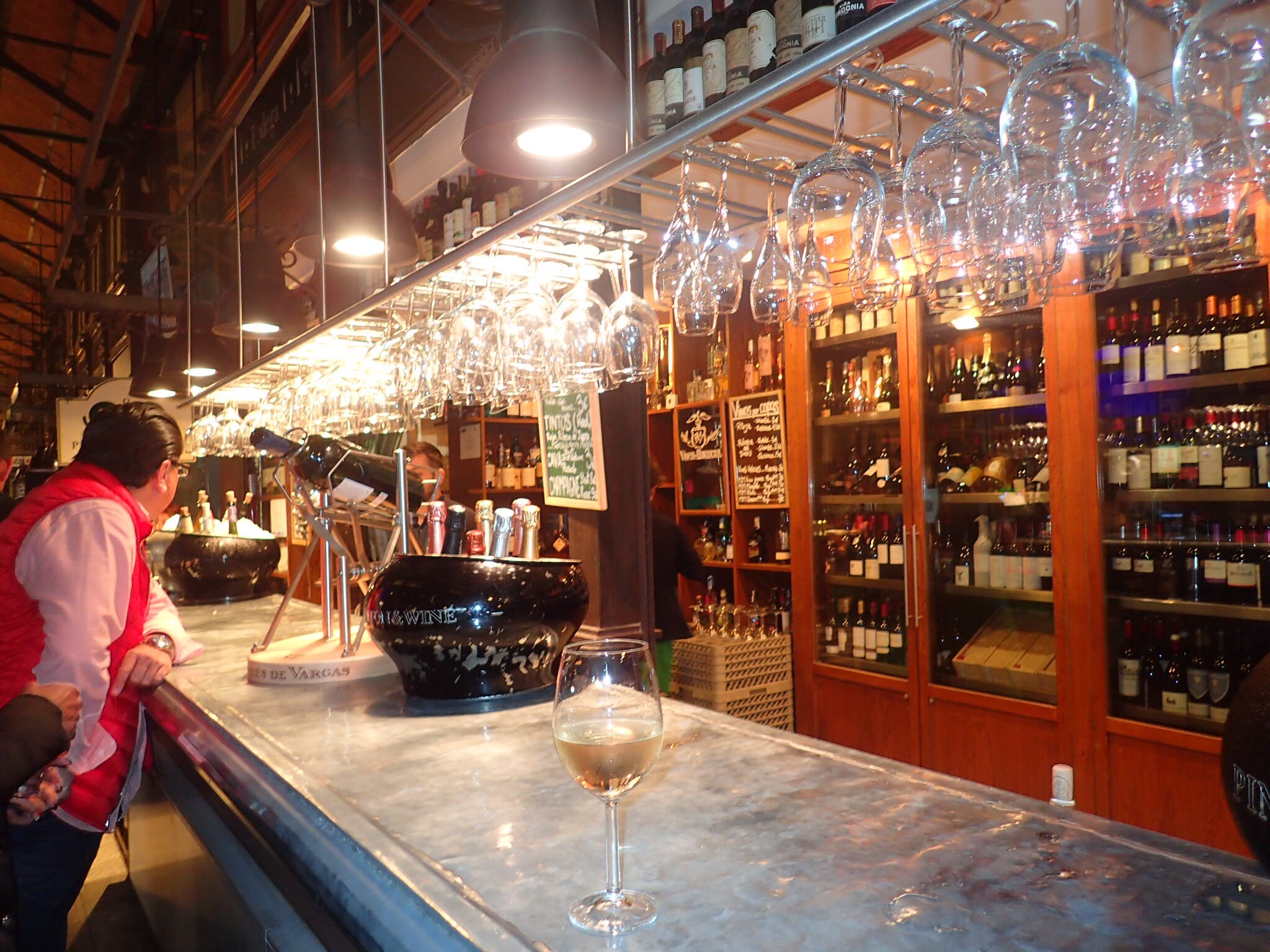
Tapas are obviously the way to go when dining in Madrid. Each day and night we made sure to include multiple tapas stops for lunch and dinner in different neighborhoods of the city. The restaurants in the main tourist areas were obviously more expensive, but once you get into the surrounding neighborhoods you can find tapas and wine for pretty decent prices. Glasses of wine for 2-3 euro and excellent food for 3-5 euro per tapa. Cheese plates, thinly sliced Iberian and Serrano ham, olives, chorizo, gazpacho (best ever), ratatouille with quail egg, crispy bread, croquettes, salami, gooey provoleta, paella, churros with a rich chocolate dipping sauce, Spanish tortilla (made out of egg), rosé, rioja, cervezas, oh my! We also dined at the Oldest Restaurant in the World, deemed by the Guinness Book of World Records, which opened in 1725. Cod fish ceviche with roasted red peppers and grilled mushrooms sautéed with garlic was the meal of choice for me. I also had to visit Bodega de la Ardosa because Anthony Bourdain went there when he was in Madrid. A cute little bar with standing room tables where you pop in for a snack or two and be on your way. Great decor and atmosphere, and quintessentially European.


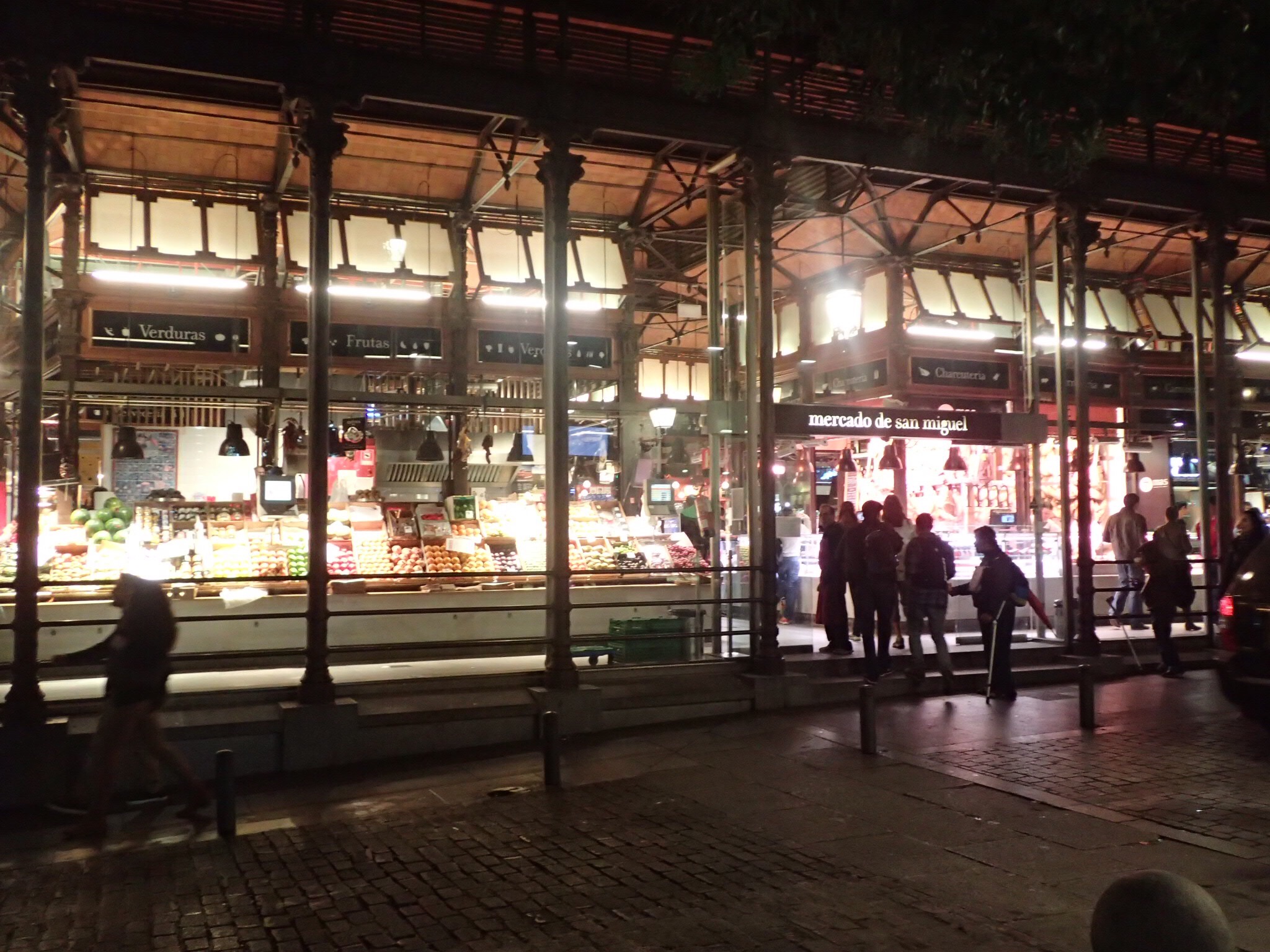
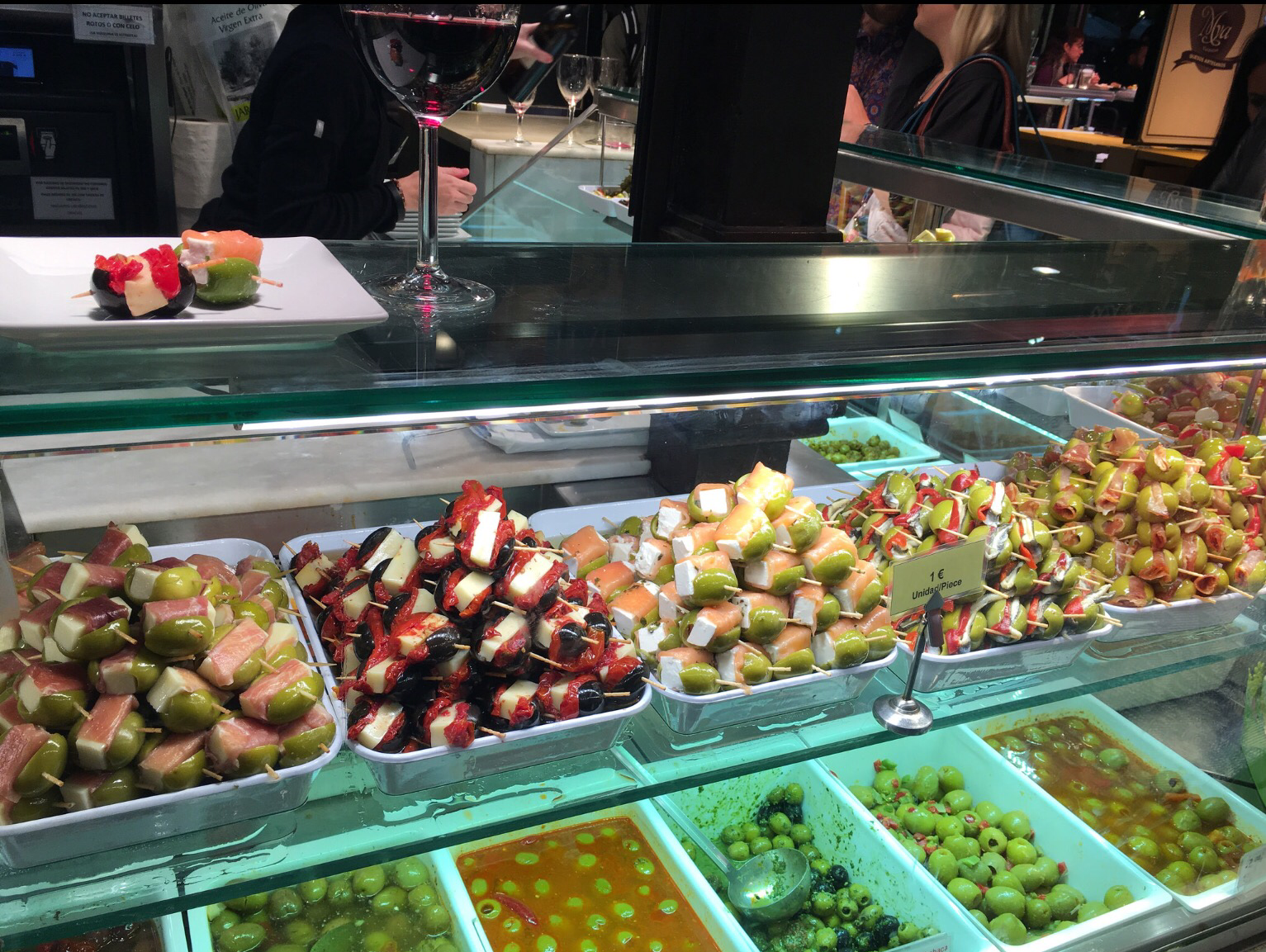
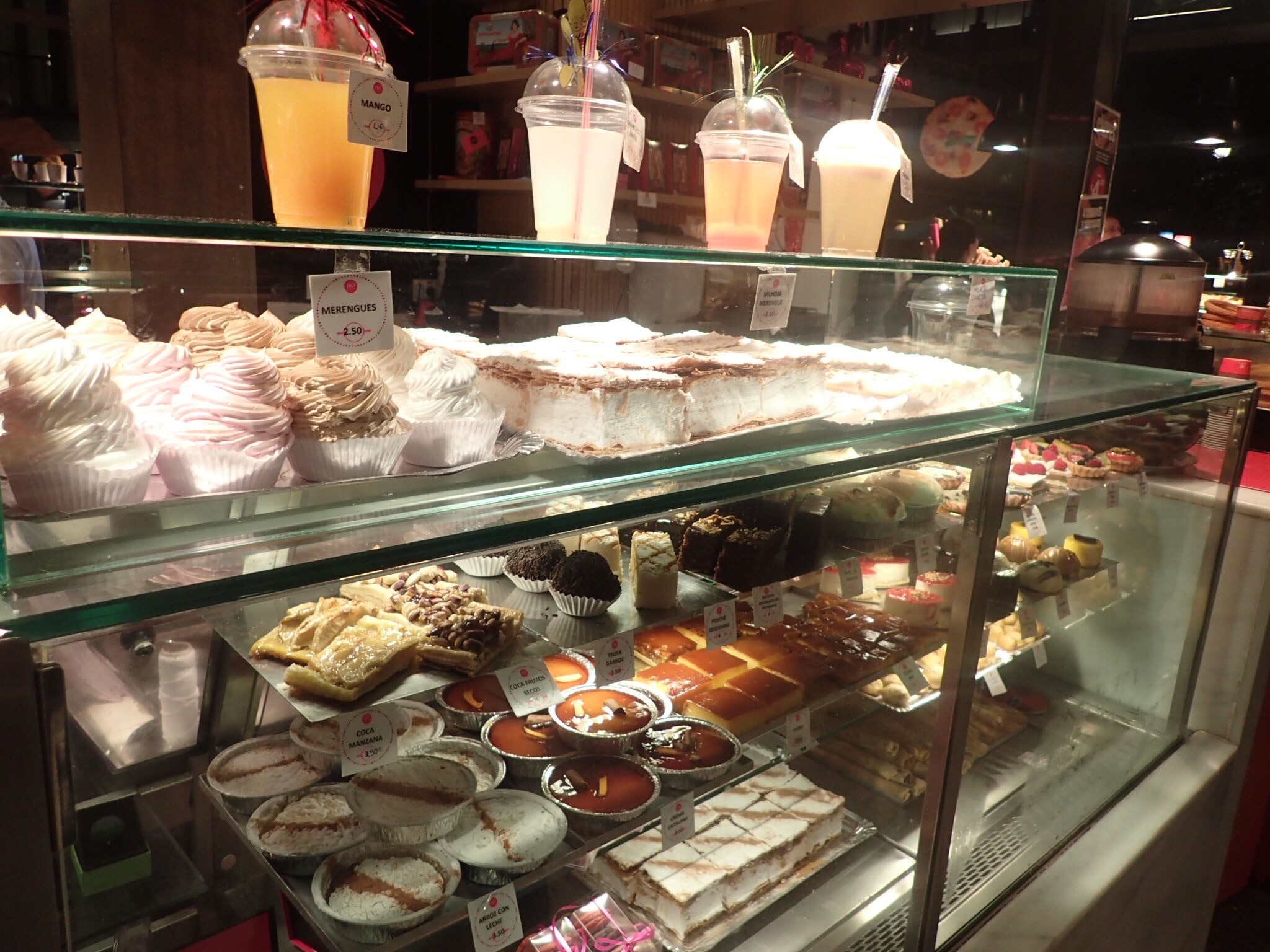
And then there was the Holy Grail of tapas, the San Miguel Market. A huge indoor market with stalls of tapas coming at you from every direction. You pretty much grab a glass of wine and hop around trying the different specialties. First stop was the mozzarella bar where I had a whipped mound of burrata topped with balsamic and tomato confit. Wow. Next was the BBQ chicken empanada, a stop at the wine bar of course, then I made my way to the olive counter and indulged in olives stuffed with feta and red peppers, and salmon with queso. The cheese counter was right next door so I obviously stopped there, then grabbed some croquettes- a stuffed & fried traditional Spanish snack, more wine, a thin baguette topped with cod fish and honey mustard, and ended my spree at the dessert stand with a few homemade goodies. It was perfect. Everything is bite sized and cheap, and there were many other places in the market I didn’t even get to, but there’s always next time!


Interlude- damn the man, save the empire 

It’s very interesting traveling abroad during a presidential election year, especially THIS presidential election year, and it never occurred to me before I set out on this trip the amount of political banter that I would be bombarded with.

No matter where I’ve traveled so far, people always and I mean always bring up the election, in particular Donald Trump. People absolutely love to talk about it, him, and other mainstream topics that regularly come to mind about the U.S. (i.e. current events such as gun violence and police brutality, and the fact that Americans are few and far between on the long term, international travel circuit- implying a general lack of education and global empathy).
I haven’t met one single soul, fellow Americans, travelers or locals, who has had nice things to say about Trump or the people who support him. People are truly astonished at the Americans who would vote for him and let’s be honest, it’s incredibly embarrassing. I understand why people from other parts of the world want to discuss this issue with us but I cannot wait for this election to be over so I don’t have to keep repeating to everyone that they’re preaching to the choir, while trying to defend my wonderful country during this American Horror Story freak-show. It’s pretty amazing how just about everyone we meet is deeply aware of what’s going on in the U.S. and to be honest, I’m only somewhat familiar of what’s happening within their country’s government, as are many Americans. We are on the World’s stage and for everyone who says we are embarrassing ourselves in front of the entire world during this election, well, we are.

Besides the obvious Donald Trump remarks and the redundant question of who I’m voting for, and who do I think will win, here are some of the other amusing moments that I’ve encountered:

While watching the Olympics recap, a Canadian says to me:”Did you hear the U.S. won its first gold medal in the air rifle competition. That’s fitting that you guys won your first medal in a shooting event.” Painfully ironic.

A young man from India asked where we were from and when my friend said she lived in Texas he automatically responded: “So, how many guns do you own”? I thought it was funny, she didn’t. I must say, she gets a lot of flack when she says she lives in Texas so she’s had to change her response by saying that she’s originally from New Jersey but currently lives in Texas.

An Irish guy sat down to talk to me about the current state of police brutality against black Americans and was so passionately enraged asking me, “What are you guys gonna do about it? You should do what we did and violently revolt”!

A man in South Africa renamed his pet bird Donald Trump because he’s orange with crazy hair.

Two guys in Spain were chatting with us about why there is so much gun violence in the U.S. They said that although Spain has its own issues, it’s a very secure place to live and they were very proud of that.

A man in Chile stated that the election affects everyone outside of the U.S. by comparing it to getting sick. If the U.S. catches a cold, the rest of the world gets sick as well.

People mocking Make America Great Again.

Heavy lies the crown, and I guess when you’re from the Empire you have to answer to the rest of the world. Although the majority of people we chat with like to joke about it, it’s unfortunately our reality. It feels like the U.S. is the Truman Show, everyone is watching and many of us are just waiting for a good chunk of Americans to have this revelation.

The world is just as anxious as we are to find out who wins and at this moment, I’m in the car listening to talk radio about the election and one of the hosts asks the other, “What will happen if Trump wins”? Her response, “Hahahahaha.” And there you have it.

Interlude- the quest for Cuy

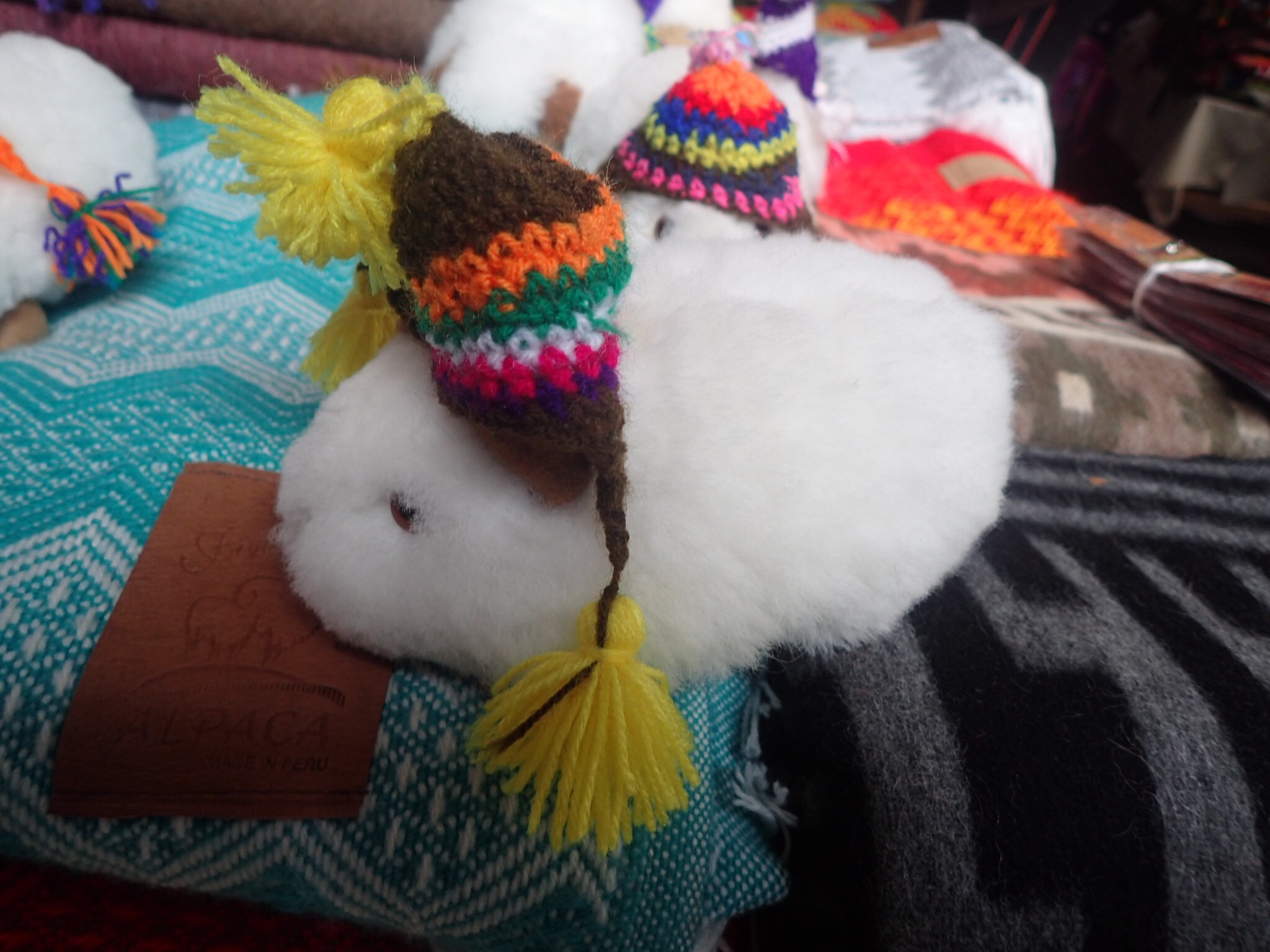
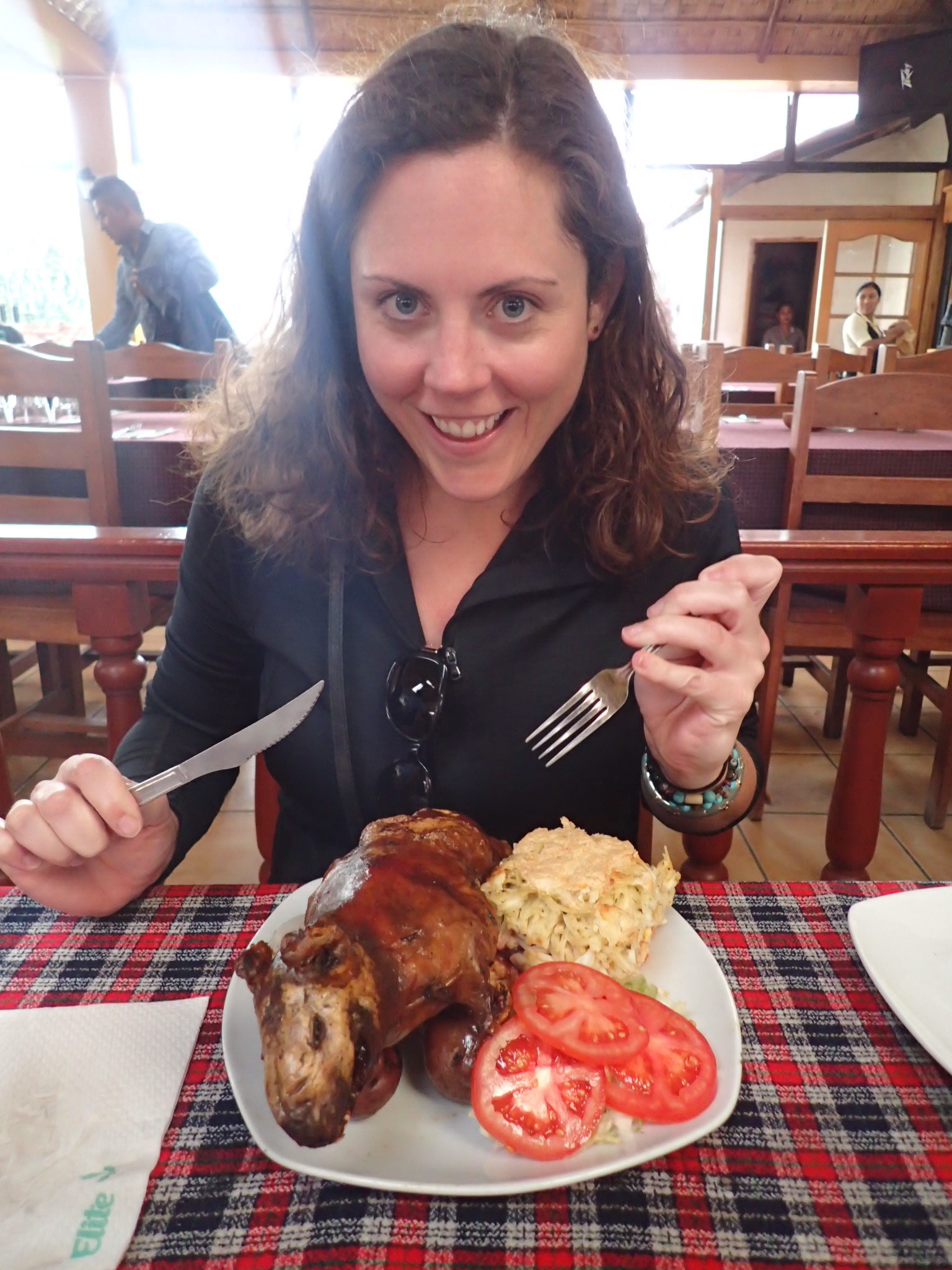
When I first heard that people in Peru eat guinea pigs, I was grossed out and was definitely NOT going to be trying it. But never say never. After being in Cusco for two weeks, the idea started to grow on me since many restaurants’ main item is cuy del horno (oven roasted guinea pig), and of course- when in Rome. I did some research on what people thought about it and also the best restaurants to try, although you can order it at many places in Cusco. I decided I would try it after returning from Machu Picchu since I didn’t want to eat anything exotic before a four day hiking trip. Guinea pigs are native to the Andean region and have always been used for food by the locals. It wasn’t until the Spanish came and decided to start sending the guinea pigs back to Spain that they became pets. People of Peru definitely think it’s bizarre that we have them as pets just as we think it’s weird that they eat them. Now a days, cuy is considered a delicacy and usually eaten at celebrations, weddings, and other special occasions. A lot of the fancy tourist restaurants charge a lot for one, so I wanted to get a local’s opinion on a good spot for a reasonable price and our Machu Picchu tour guide, Elizabeth, knew just the place. I had heard that the cuy were large so I was hoping to find someone to share with, that and also because they can be pricey. One of the girls in our hostel was down, so we all decided to venture out the next evening and the two of us would be the guinea pigs, pun fully intended.

The restaurant Elizabeth mentioned was closed the night we planned to go so we went to another touristy spot which was outrageously expensive for cuy, plus my partner in crime had decided she wasn’t feelin’ it anymore. Alas, we all dined somewhere else. The next day I headed back to Elizabeth’s place and to my disappointment it was closed again! You never really know the hours of the local restaurants, one day they’re open and the next they’re not, so I decided to come back the next day. I was in luck! We got a table and I asked for cuy and the waiter said they didn’t have it today, ugh. He said they weren’t able to get it at the market so it wasn’t on the menu. Great. I was starting to think that maybe I wasn’t meant to eat these cute and cuddly things. I had to return to wifi to research another place and today was our last day in Cusco so it was now or never. There was another place that said it was open and was where a lot of locals along with tourists go to eat typical Peruvian dishes. We sat down, I ordered, and soon enough a fully roasted guinea pig was staring back at me. Head on and all. I wasn’t sure how to eat this thing so I took the plunge and dove right in. It was quite tasty. I can’t compare it to anything I’ve ever eaten before but maybe has similar characteristics to duck. Dark meat, juicy, not gamey at all. There wasn’t a ton of meat on it, or maybe that was just the one I had. I wouldn’t go out of my way to eat it again but I’m glad after several attempts I was finally able to try the local fare.


Cusco & The Inca Trail, Peru: days 64-78

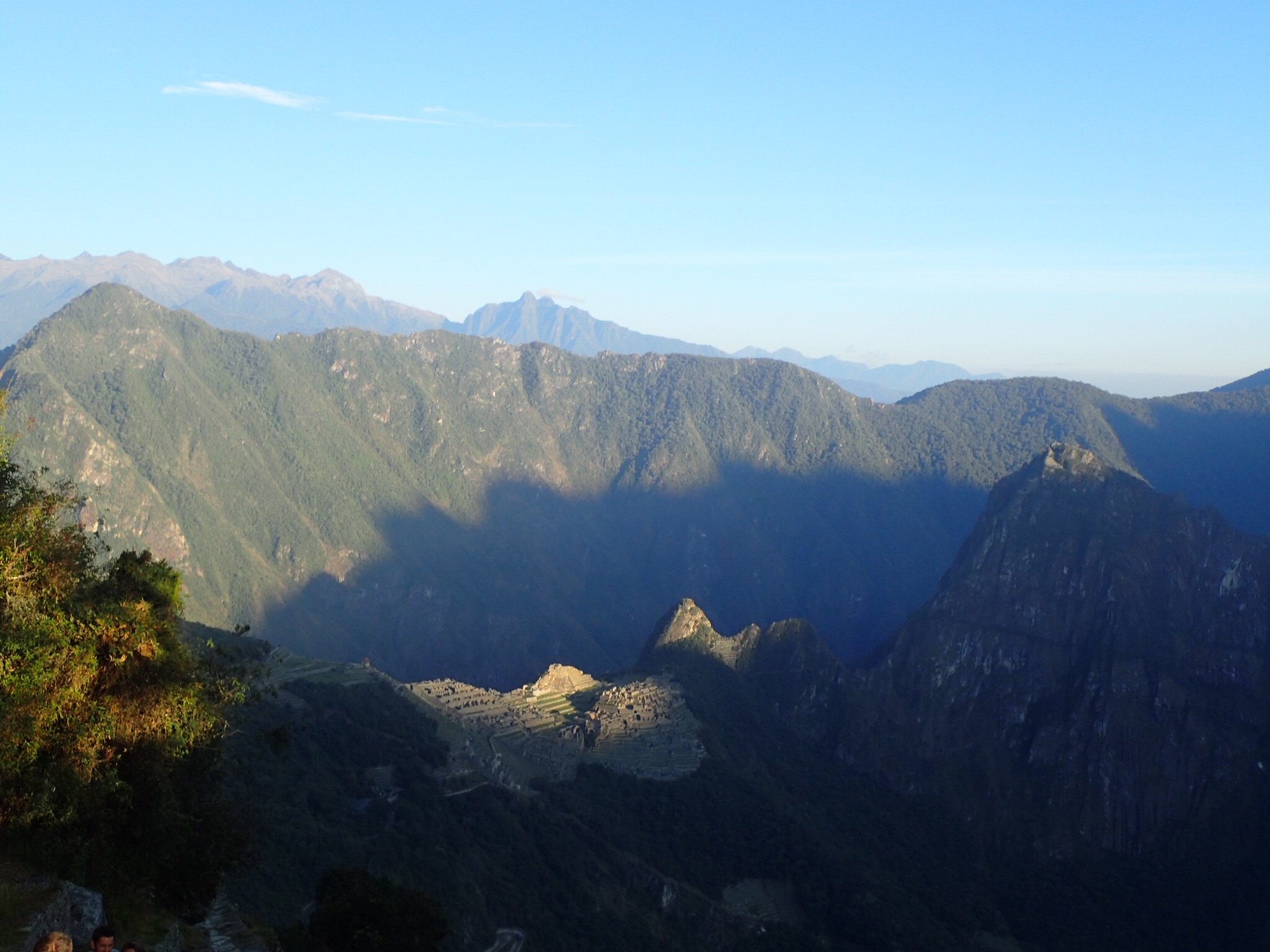
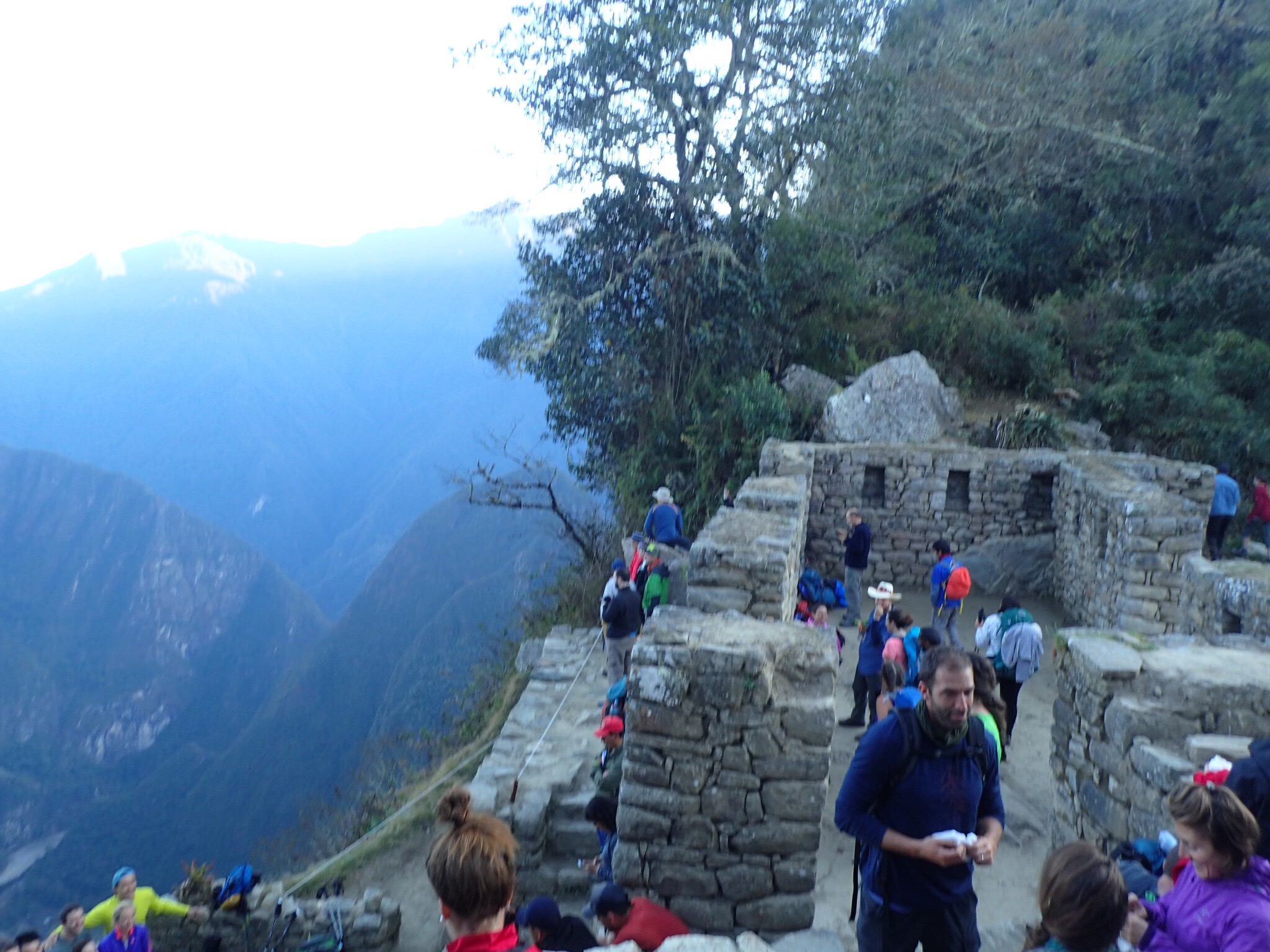
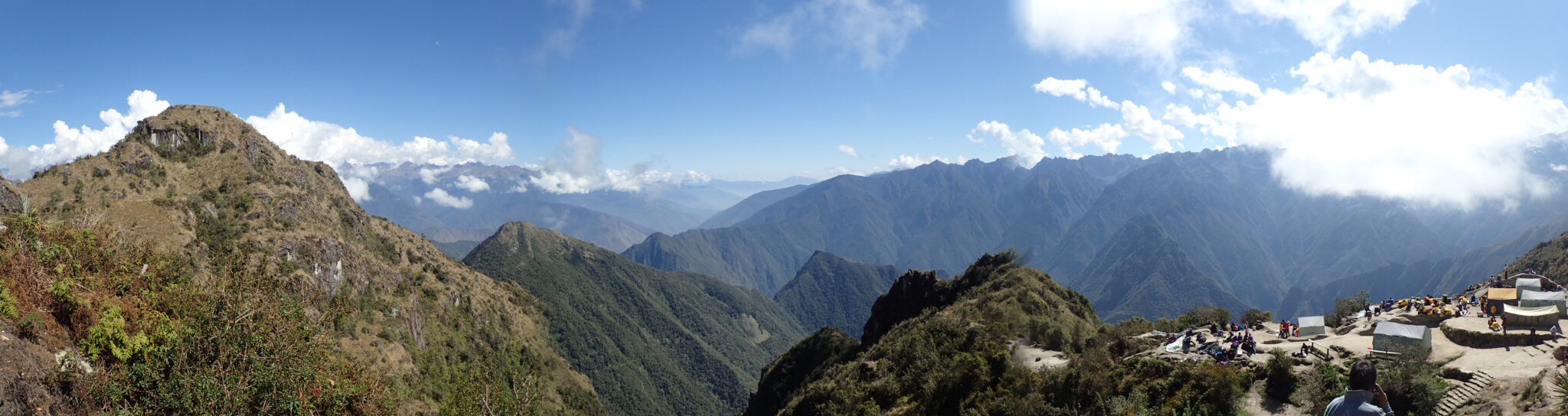
Day 4: We awoke at 3:30am for our final leg of the Inca Trail to the Sun Gate that overlooks Machu Picchu from above. We had hiked for 3 days to get to this point and it was beyond exciting that we were finally going to see the lost Inca city, but at the same time sad that the experience was coming to an end. I never thought I would be sad that the hike was over with because I’m not an avid hiker nor have I ever done a multi day trek, but hiking the Inca Trail was truly an incredible experience. Finishing the trek along the mountainous trail with all the other excited hikers while the sun was starting to rise was exhilarating. It was like waking up early on Christmas morning to rush down and open presents. When we all walked up the final hill through the Sun Gate to get our first glimpse of Machu Picchu it was surreal since we had booked this months in advance and been preparing ourselves for the strenuous trek and now it was over, we had finally made it. 


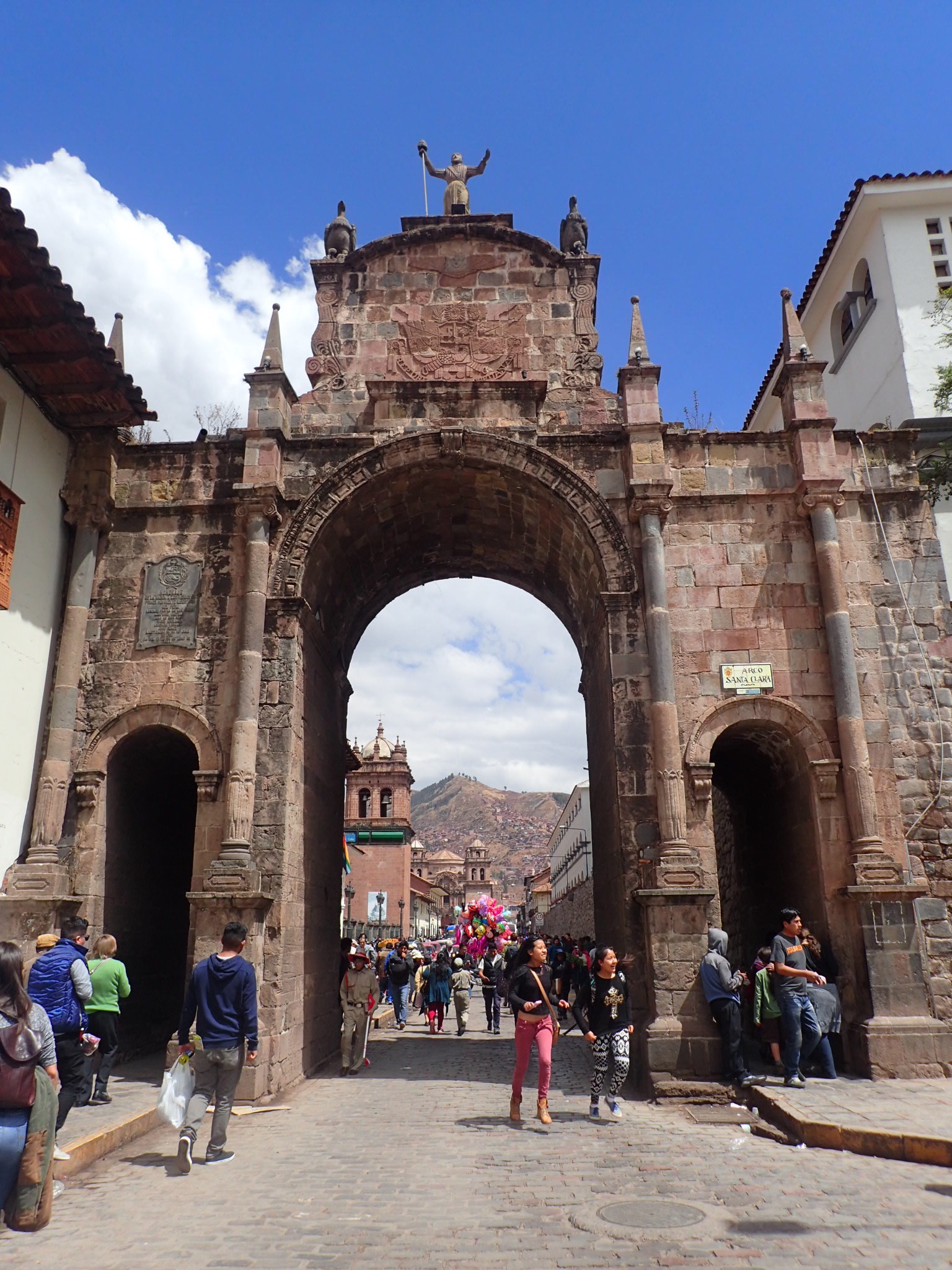
The trek wasn’t only about the hiking itself, it was a great learning experience of the Inca culture and also a spiritual experience connecting with Pacha Mama, which is Quechua (the native language) for Mother Earth. Cusqueñas and the native Andean people have a great admiration and strong belief in Pacha Mama which stems from the ancient Inca and pre-Inca cultures. As soon as we arrived in the city of Cusco, once the capital of the Inca empire, I noticed the contrast between a lot of the Inca architecture and stonework that still stood, and the European influence from the Spanish conquest. Where there were once Inca temples now stood towering cathedrals, many cathedrals, almost one every couple of blocks in the main squares. I mean, how many churches do you need in such close proximity to one another? The Spanish obviously wanted to make it clear whose religion was more important when they decided to invade and “civilize” an already civilized and advanced culture. The Quechua people built their finest buildings, usually temples and houses for the Incas (who were the Kings), out of perfectly cut stone which fit together with other perfectly cut pieces of stone using a dry stone technique without the use of mortar. They also built these structures at an angle and combined with the dry stone technique this stabilized the buildings during earthquakes. There are many of these original stone structures throughout the city which have been used as a base for other buildings and it’s pretty incredible how well preserved they are. Cusco also has a nice mix of old and new world charm. Cobblestone streets & predominately brick buildings mixed with modern restaurants and cafes, along with camping supply and upscale outdoor recreational stores for anyone who needs items for Machu Picchu and other treks. 


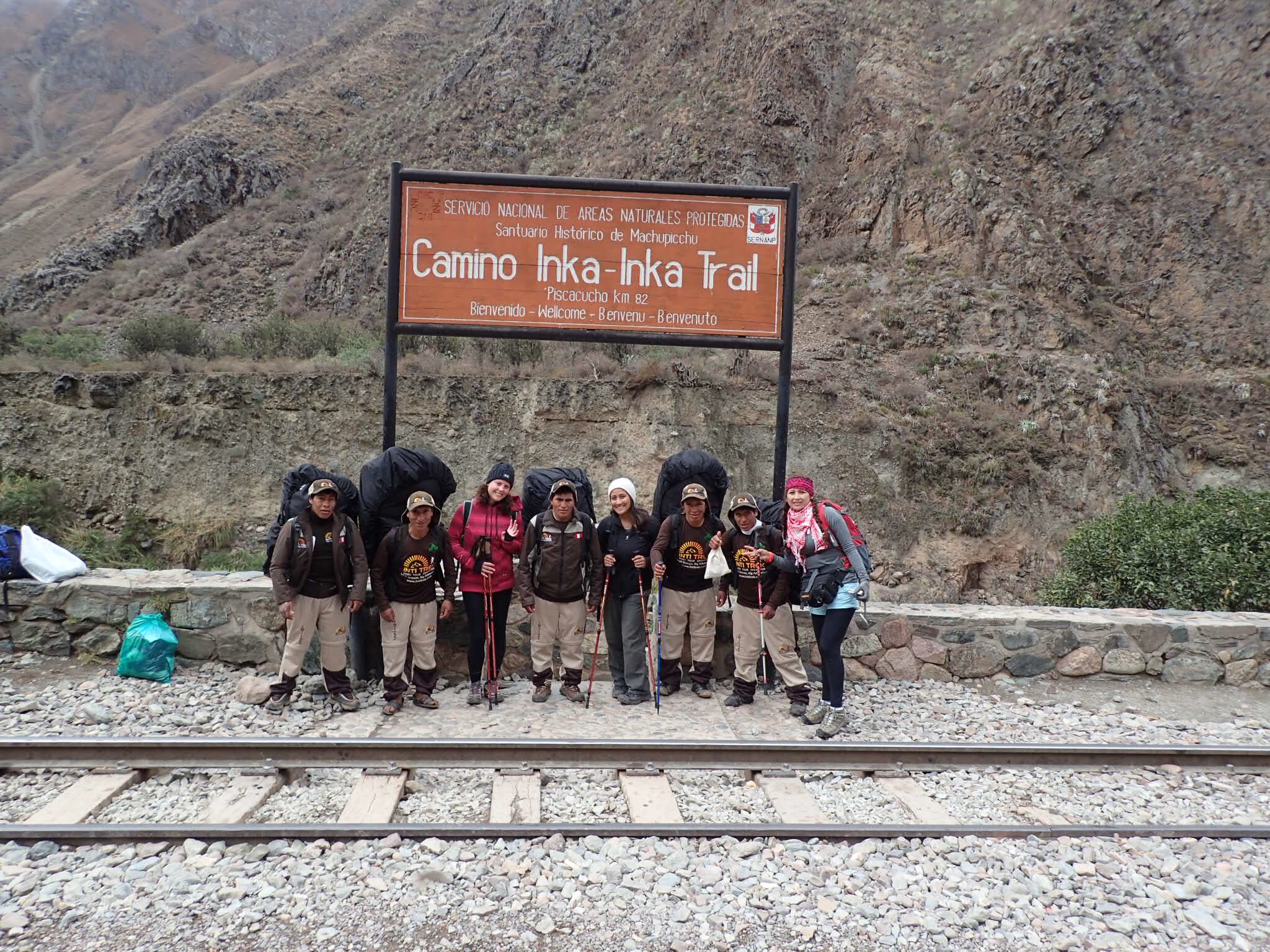
Cusco is the starting point for Machu Picchu and we arrived five days before the trek to acclimatize to the 11,000+ altitude and avoid getting altitude sickness. I was personally nervous and excited for the Inca Trail trek since you hear a lot of people mention how tough it is, yet a very rewarding experience. We met with our tour operator and guide the night before to go over everything and pick up our duffle bags, which we would need to fill with clothes for the next 4 days for the porters to carry. The next morning we were picked up bright and early at 5:30am to drive the two hours to the trail entrance near Ollantaytambo and we were off! We met our team of porters, who have an incredibly tough job of carrying our bags, all camping equipment, food and utensils, and the portable toilet the entire way…and they have to be the first ones to arrive and set up camp and the last ones to pack everything and leave. They are incredible and do a tremendous job. 


Day 1: Once we got through the checkpoint to the trail entrance at km 82 it was a rather easy day of hiking. We hiked in total for about 7-8 hours through some of the local communities along the Urubamba River and stopped for our three course gourmet lunch for about an hour. All the meals on this trip were insanely good considering everything has to be prepared at a campsite on a camp stove. Our chef, Fernando, was amazing and the chef position is apparently a very competitive job for this trek so we had the best of the best. Our guide Elizabeth, who was a native Cusqueña and had been giving tours of the Inca Trail for 12 years, stopped at various points of interest and Inca ruins along the way to explain the story of the Incas and how the Inca trail to the lost city of Machu Picchu was significant. Most of the ruins we saw during the trek were used for farming, lookout posts, or resting spots used when the Incas made their journey. When we arrived at camp, we celebrated our first complete day and indulged in a “tea time” with snacks, tea and hot chocolate, followed by a fabulous dinner. They really made sure we didn’t go hungry on this trek. 


Day 2: Everything we heard and read said day 2 is the most challenging because the majority of the hike is all up hill, specifically up a trail called Dead Woman’s Pass (altitude 13,828 ft) 😑. We anxiously awoke at 6am to begin the Highway to Hell as we named it. It was definitely a tough day hiking for another 7-8 hours up and down two steep passes taking many little breaks along the way. Even the porters had to take many breaks. Since there were other groups on the trail as well it helped motivate everyone to keep going, when we really just wanted it to be over. In the end, it was rewarding to complete both passes and the views from the top of the mountains were absolutely spectacular. Once we were finished with day 2 we knew the rest of the trek would be smooth sailing. 


Day 3: Our final full day before hiking to MP was much easier and shorter than the previous days. Our guide Elizabeth conducted a Mother Earth ceremony, which is a common small ceremony to pay tribute, and the local people do these ceremonies throughout the year specifically in August. They leave different food, drinks, coca leaves and other little trinkets to give to Pacha Mama so that they can have a prosperous year, specifically for farming. For our ceremony, we each chose a small stone from the trail and placed it on an altar made of a larger rock with coca leaves and asked Pacha Mama for something good for someone else, all while looking out over the Andes. 


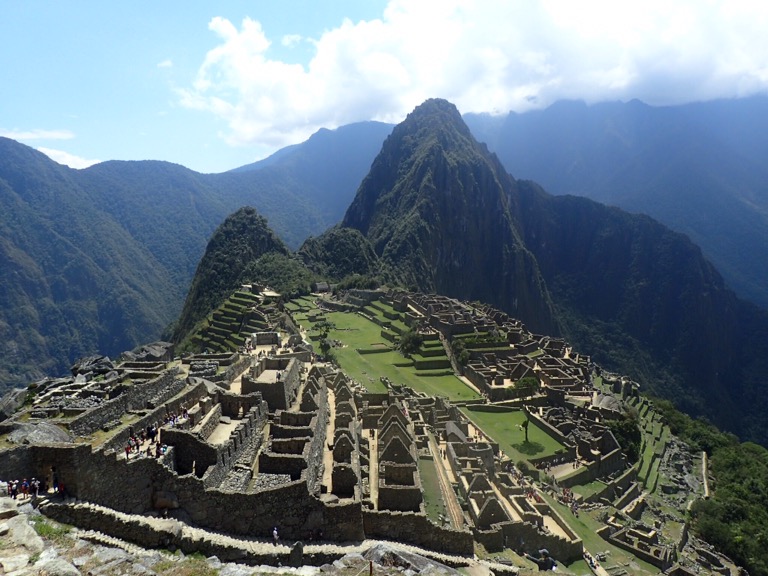
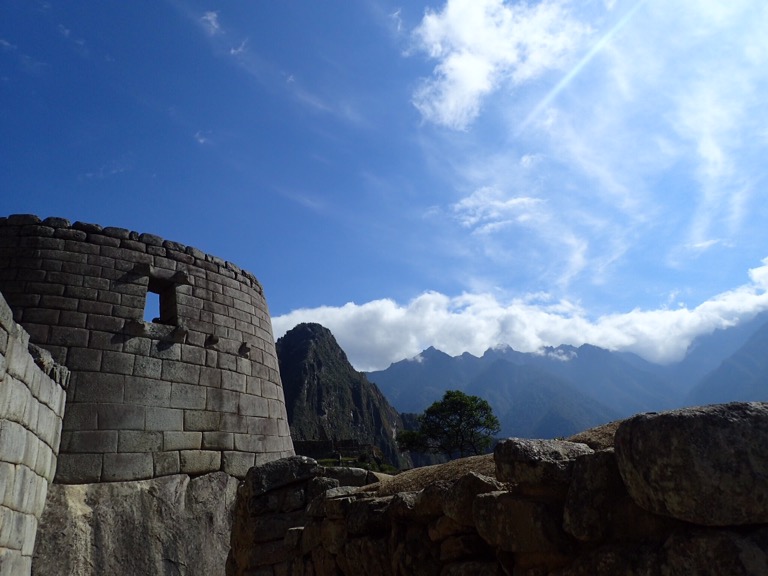
Machu Picchu: Arriving at MP was bittersweet and completing the hike was truly an accomplishment. We saw all of the tourists who took the bus up to visit for the day and couldn’t imagine that they appreciated it as much. It’s quite an amazing city set between two soaring mountains in the middle of the Andes. No one really knows what MP was intended for since it was never completed and because the Incas didn’t have a written language, but our guide seems to think it was going to be the new capital and a university, perhaps. Others say it was the sanctuary of the Inca Pachacuti, but there are about 8 different trails that have been discovered leading to MP so Elizabeth said it doesn’t make sense that it would be a secluded fortress if there were that many access points. The ruins of Machu Picchu are in such good shape because the Spanish never found it when they were invading and it’s been restored and preserved since 1911 when Yale Professor Hiram Bingham visited and brought global attention to it. MP was also strategically positioned on purpose. The location provided protection because the people of the city could see below but intruders couldn’t see them. It was also directly in line with Cusco and each cardinal direction was directly in line with the four sacred mountains they worshiped. Other strategic alignments included the sun, constellations, the direction of the Milky Way, and the Urubamba River below, which is quite interesting. The ruins consist of multiple temples exhibiting the same perfectly cut stonework, gathering places, farming terraces, irrigation systems, areas where astrology was studied, and of course shelter. The ruins on the upper part of the hill were for royalty, the Incas, whereas the lower ruins were for commoners. It was an enlightening experience to learn that people from hundreds of years ago were able to build and design something so complex relying solely on nature and its resources. If you have the chance to visit Machu Picchu definitely go for it and if you have the chance to hike the Inca Trail it will be something you’ll never forget. 

Montañita, Ecuador: days 50-59

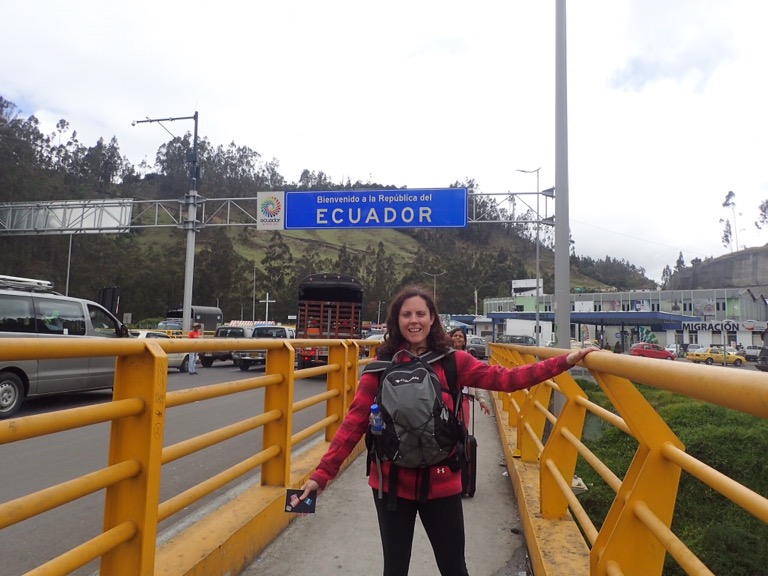
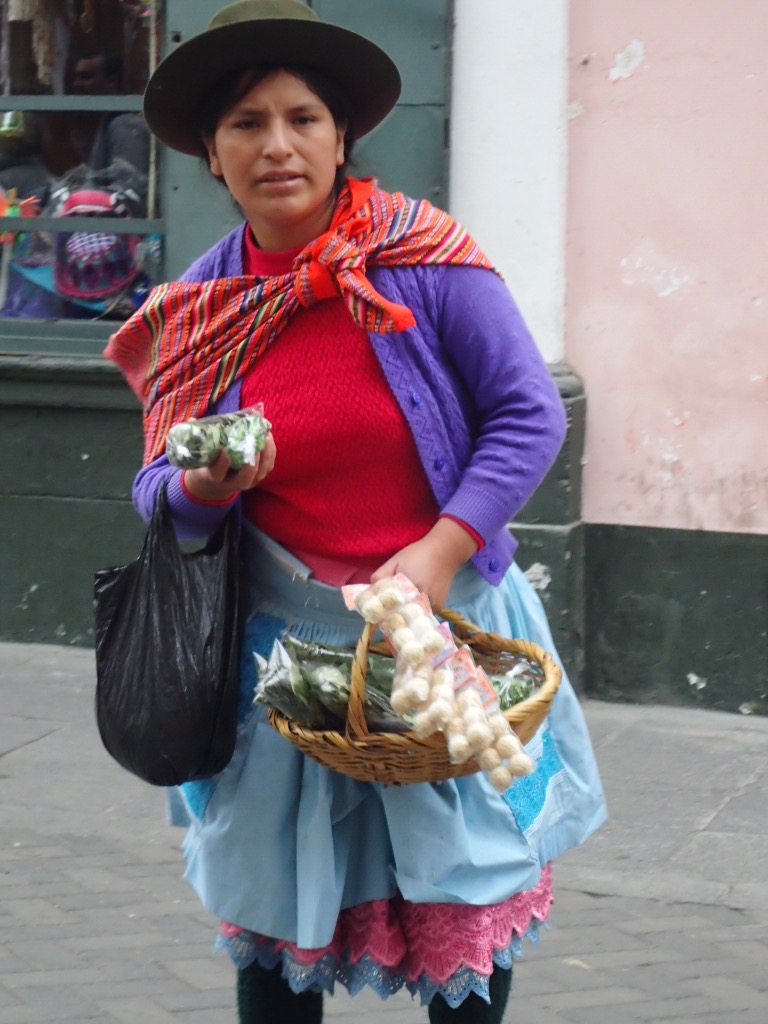
We made our way from Salento, Colombia to Quito, Ecuador which took over 24 hours of traveling by bus and taxi. As soon as we walked across the Colombia/Ecuador border and caught our bus to Quito, I noticed a drastic difference in the landscape. The Andean mountains were just as spectacular as Colombia but more desert like and barren, and even though we spent over 24 hours on buses, the views were beautiful. When we traveled from the city of Baños to Montañita, it was also a long ride (about 11 hours) but the landscapes were totally worth it and the best I’ve seen yet. I thought the countryside of Colombia was something to see but the vast mountains of Ecuador looked like they were draped in velvet and went on for miles. Our bus made intermittent stops en route to our final destination in Montañita to pick up many local Quechua people, natives of the Andean region. Women donned the traditional dress of fedoras decorated with a feather, bright colored cloaks, and knee length skirts, while the men wore patterned ponchos. The bus made stops along the countryside to drop them at their desired stops, usually their homes, as we continued to the coast. Riding up the mountains into the clouds and then back down to where they towered over us was worth the journey. If you’re going to travel through a country, try to do some of it by bus or train if available! It’s obviously a longer, less comfortable ride, but you’ll be able to see what nature has to offer.


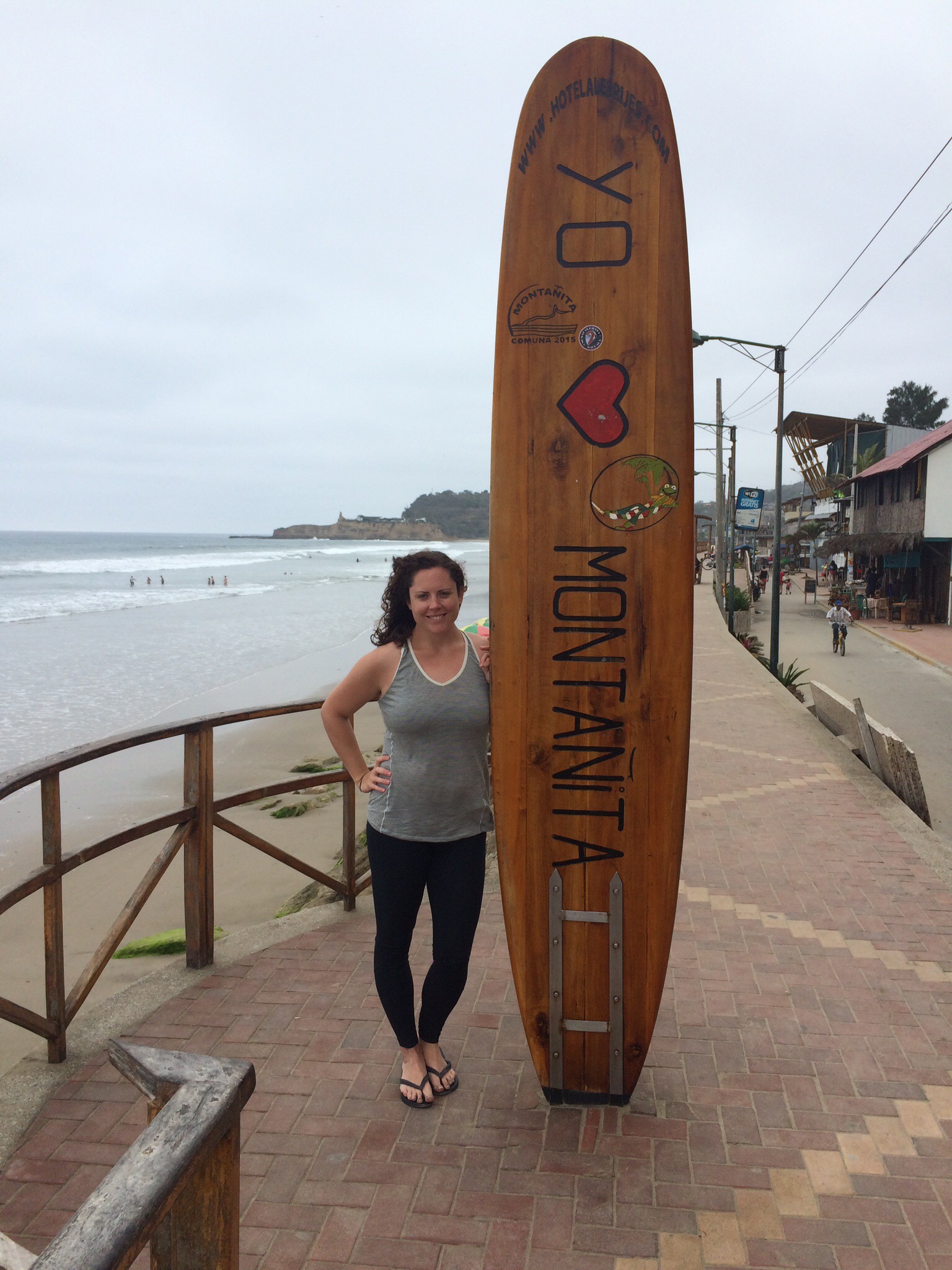
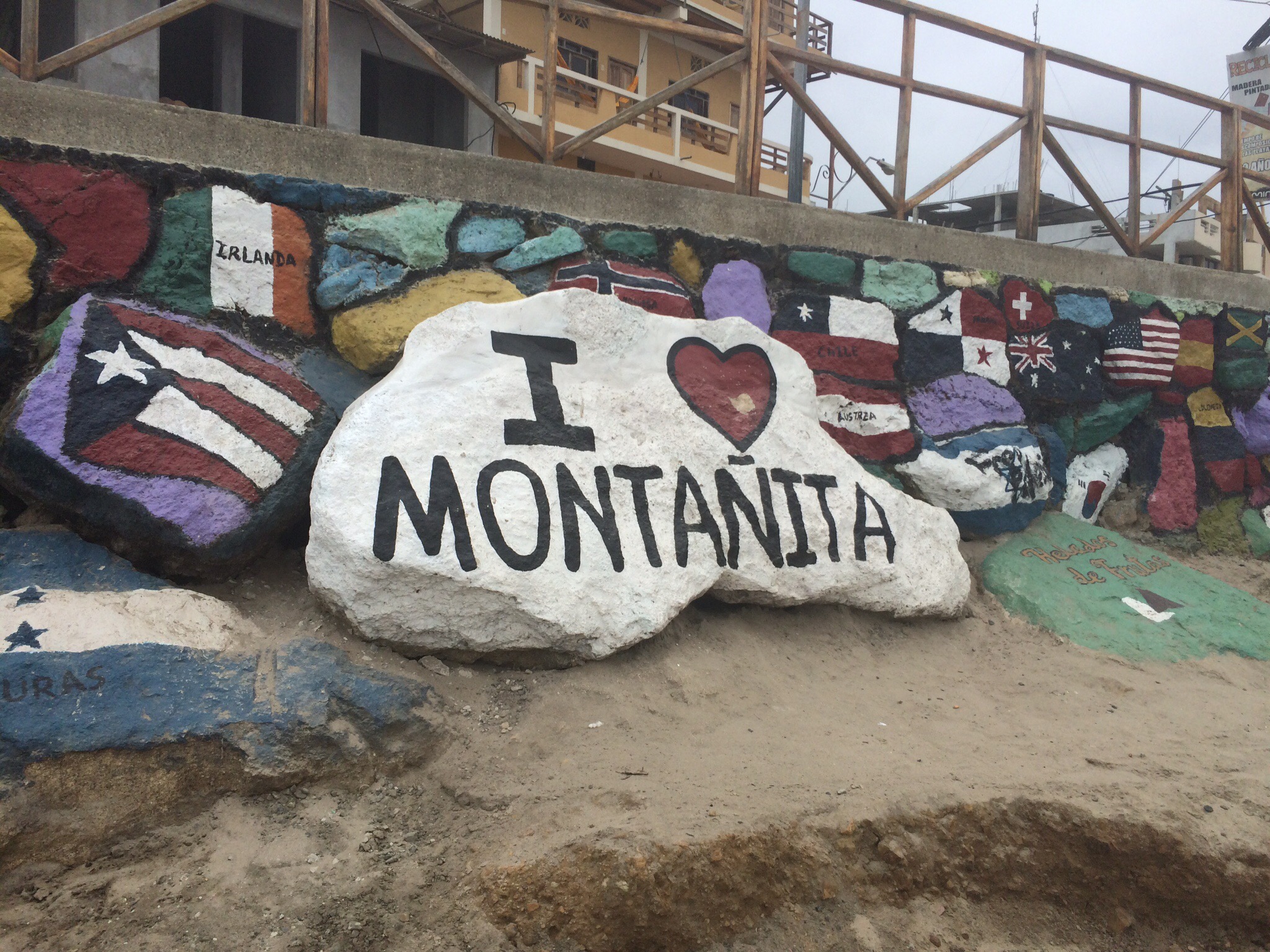
When I first did research on Montañita, a tiny surf town on the coast of Ecuador made popular by surfers and hippies in the 60’s, people mentioned how they ended up staying much longer than planned while others mentioned that it was too much of a party town. I wasn’t sure how I was going to feel about it because I didn’t want it to be some overrated beach party destination that had lost all its charm to sloppy tourists. 

Montañita was a real life utopia and we ended up getting sucked into the vortex of awesomeness that we read about. We arrived late at night by bus and were worried that there wouldn’t be any restaurants open to get food….the whole town was still up and open on a Tuesday at 1 in the morning so it didn’t take us long to find a spot where a super friendly Venezuelan surfer waited on us and made us feel right at home. Montañita is a very small town and our hostel was located right off the beach, a 7 minute walk to the vibrant “downtown.” The perfect location if you’re not looking to be surrounded by 24 hour parties and where you can fall asleep to the sounds of the waves. The weather was perfect. Mid 70s-80s, and even though it’s winter in this hemisphere we still got lucky with some sunny days, although there were a few gloomy ones upon arrival. 


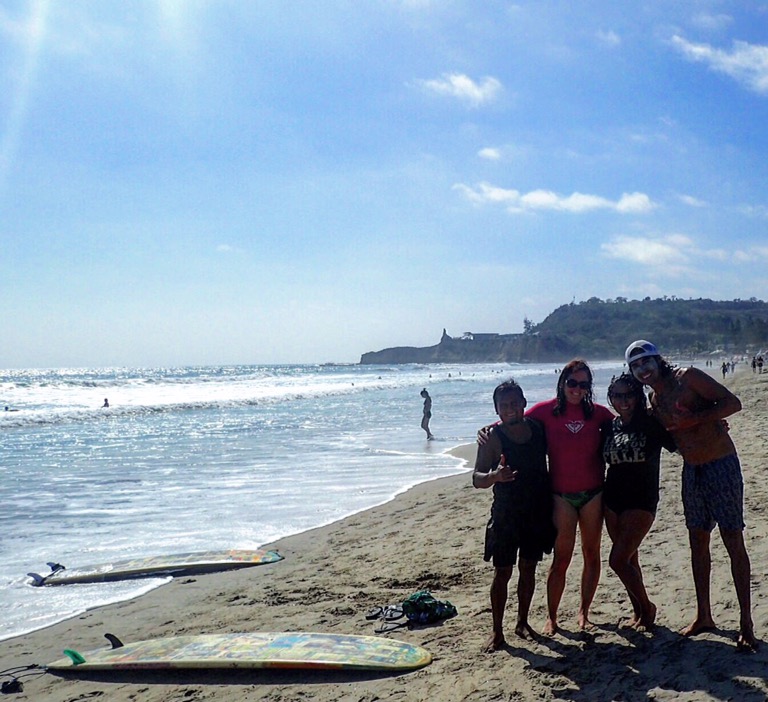
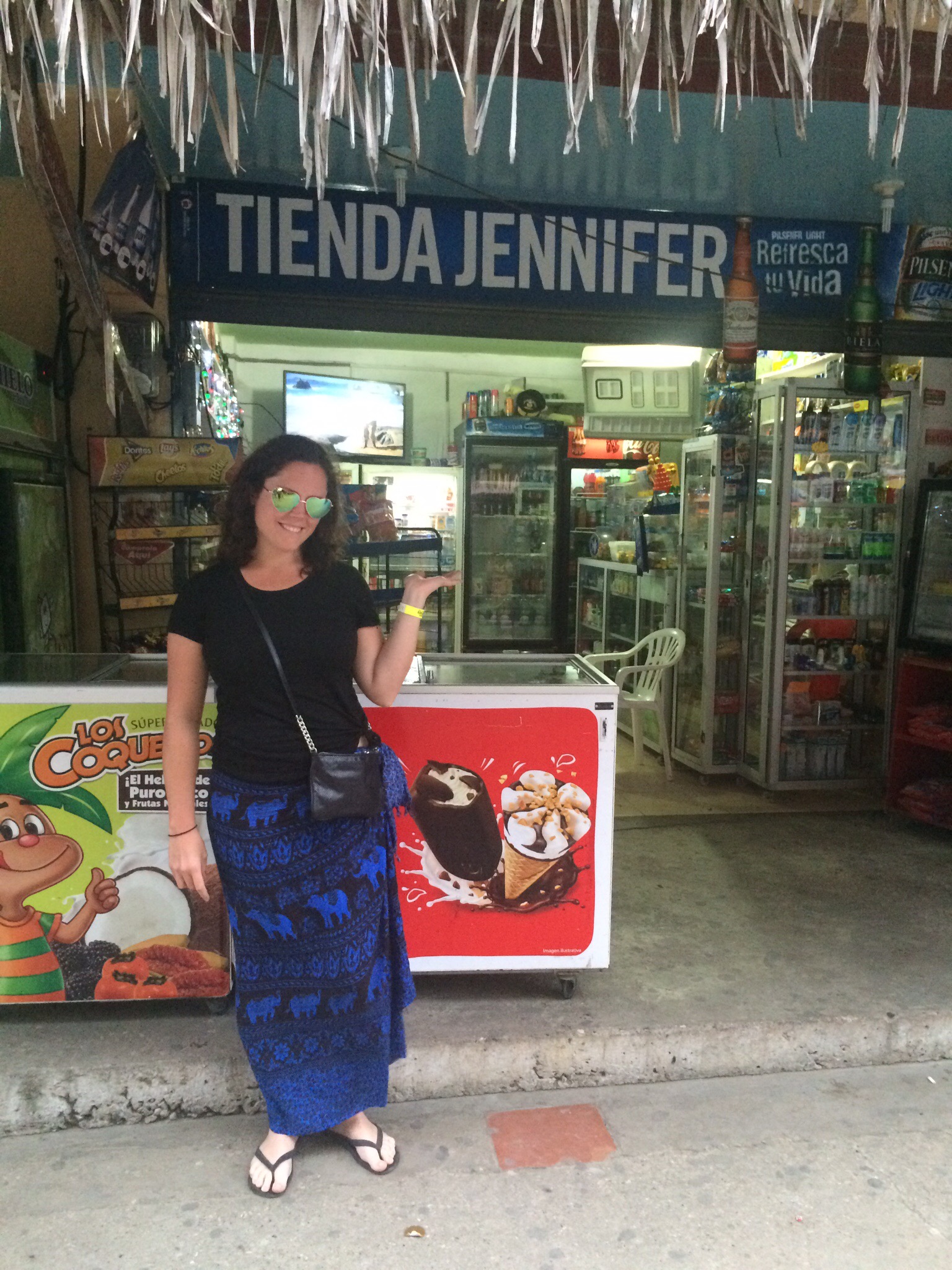
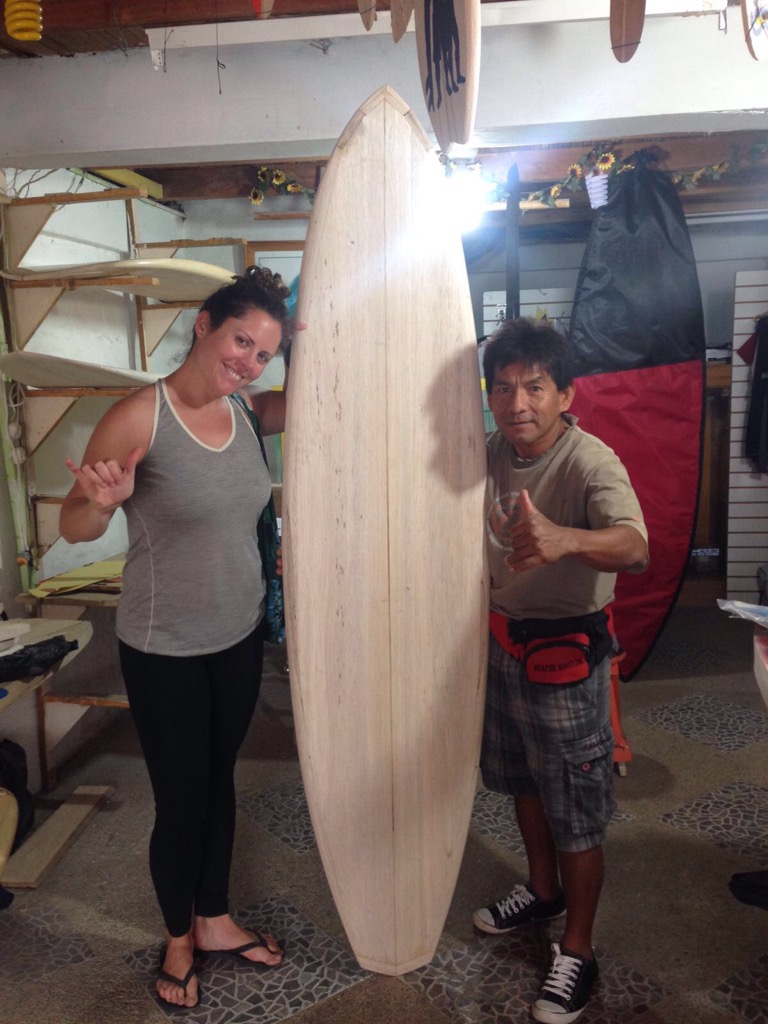
Since we couldn’t immediately go to the beach, we explored the laid back town with dirt roads and bungalows, surrounded by surf stores, restaurants, fruit stands, and tiendas (mini marts). We also stumbled upon a Panaderia or bakery where we bought a freshly baked, flakey loaf of bread filled with cheese for $1. We frequented our Pan Lady, which we named the woman who owns the bakery, every few days for more bread along with little sweet treats for only $.50. When it was finally sunny and we were able to visit the beach, we took surf lessons from the local surf pros who hung out on the beach stands, and also relaxed taking in the tranquil beach atmosphere. In my opinion, I don’t know what could be better than watching surfers catching waves in the sunset, drinking a 40 oz local beer (the standard size), while someone casually walks by selling happy brownies…..ummmm where has this place been all my life??? By mid first day we were thinking of how we could go into business for ourselves if we wanted to stay here. It had everything we needed, including the best Italian restaurant in all of Ecuador which we ate at way too many times. And what made the town perfect was how friendly and chill everyone was, and I mean everyone. The locals were great from the surfers to the shop owners, and the tourists were just as friendly as well. Everyone seemed to be seeking refuge from their daily lives in Montañita, or in our case, taking a “vacation” from our long term traveling lifestyle. The town was so small that we saw the same people practically everyday, if not more than that, and I didn’t even care. Usually I’m not a fan of small towns, but this place was the exception. We honestly didn’t want to leave Montañita and we kept extending our stay day by day until we realized we had to leave in order to make our Machu Picchu trek that was pre-booked. 


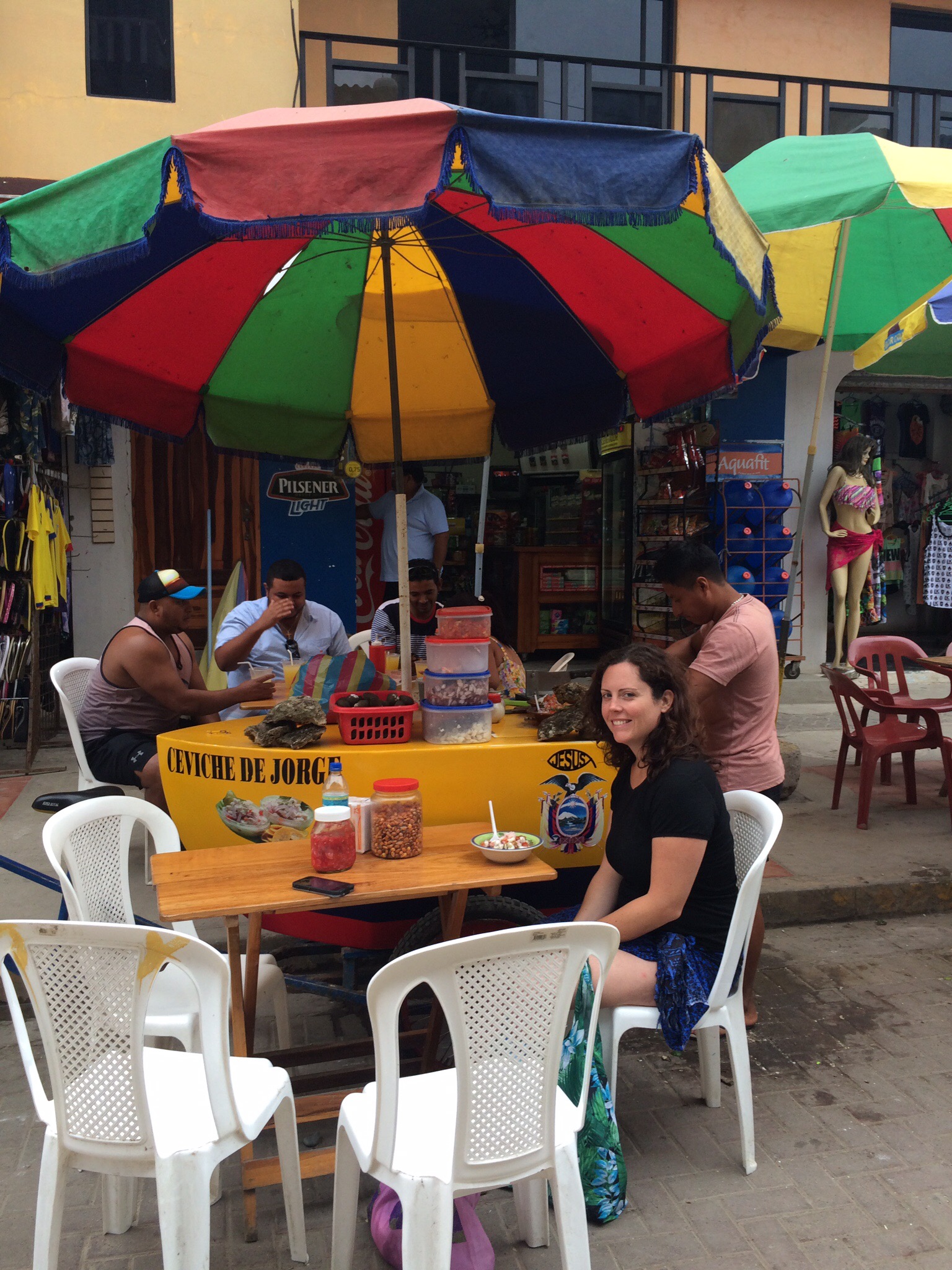
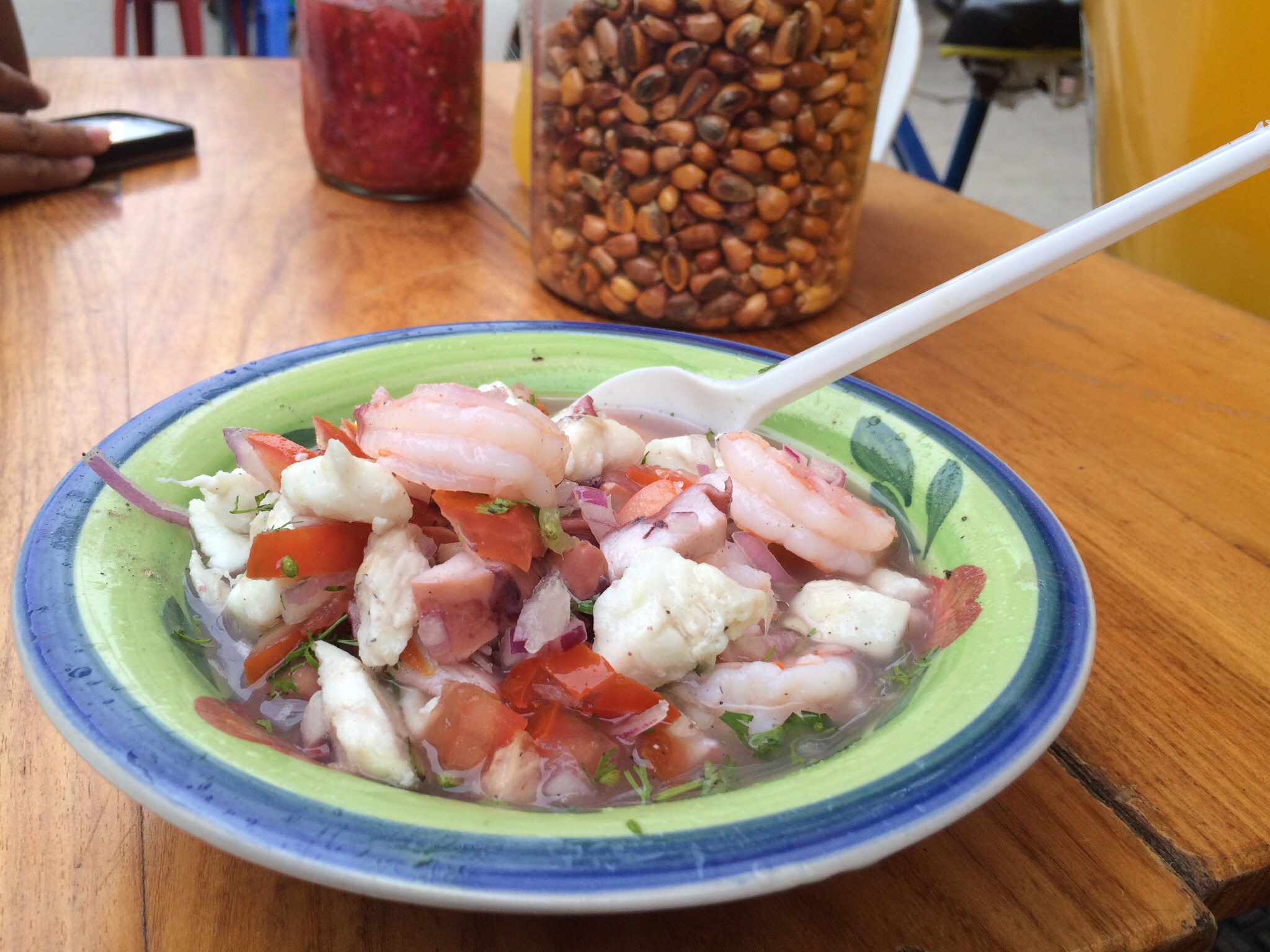
Montañita also has a great social and party vibe to add to the mix. You could go out any night of the week and have a good time whether you want to go hard or just have a few drinks and people watch. The first Friday night our surf teacher from earlier that day took us out in true local style. We hit up Cocktail Alley or The Street of Cocktails first, which is a whole street with little bar stands where you sit down at a plastic table and order a freshly made mojito or daiquiri. The drinks were completely fresh using all local fruits and took about 5-10 minutes to make each drink. Definitely worth the wait. People were hanging out at the bar stands or on the streets listening to the live band or DJ from the surrounding bars. From there, you had a handful of bars and clubs to choose from to dance into the night. For breakfast, or any time of day really, you could visit Breakfast Alley at the opposite end of the road from Cocktail Alley. Same set up of stands that made pancakes, crepes, waffles, eggs, sandwiches, milkshakes, fresh juices and more. My favorite was the Oreo, Nutella, and banana crepes. There were so many ridiculous combos to choose from. Or, if you want to do as the locals do, you can visit the ceviche carts and get a bowl of fresh fish prepared with lime, cilantro, onions, salt, corn and sweet potatoes. Was excellente.


Out of everywhere we have traveled so far, Montañita is the place where we met (and liked) the most people- again, because everyone was super friendly….and probably super “happy.” We had such a great time and were genuinely sad to leave, but had to head to Peru for our next major quest- Machu Picchu! 

Colombia: days 18-39

Cocaine, Pablo Escobar, drugs, cartels, violence, kidnappings, murder, extortion, corruption, bombings, fear- thoughts many people would associate with Colombia. 

Stunning landscapes, majestic mountains, friendly locals, arepas, obleas, arequipe, pride, native traditions, cosmopolitan cities, quaint countrysides, neon pastel towns, fresh fruit juice, salsa, tejo, history, coffee, Lulo, Juan Valdez, Caribbean & turquoise waters, are the thoughts that come to my mind after visiting. I am absolutely in love with Colombia. I know it’s only the second country we’ve visited on the World Tour and there will be other fascinating places, but it’s rare to travel throughout an entire country and be amazed by every area. We spent time in Bogotá, Medellin, Cartagena, Santa Marta, and Salento, and every city was wonderful in its own unique way. 

Night & Day

Colombia definitely has a dark past, one that hasn’t totally healed since it wasn’t too long ago when drug cartels were its main claim to fame. Colombians are aware of this and every tour guide mentioned it, but they also mentioned that they’re proud to be on a better path and they highlighted the characteristics of their country that are generally overlooked. They’re working to educate and bring awareness to younger generations of Colombians and tourists alike, instead of just sweeping it under the rug and pretending it didn’t exist as a crucial part of their history. Colombians did mention that although they’re clearly aware, they’re not usually open to discuss the touchy subject with tourists and bring anymore celebratory fame to Pablo Escobar and the cocaine business. Our Pablo Escobar guide even had to speak softly when explaining details as we stood out in front of one of his 500 Medellin homes, this one specifically where a car bomb was detonated by his major rival, the Cali cartel. She explained the reasoning for this was not to offend Colombian passersby by glorifying Escobar any further. There’s always a difference of opinion between glorification and education. 

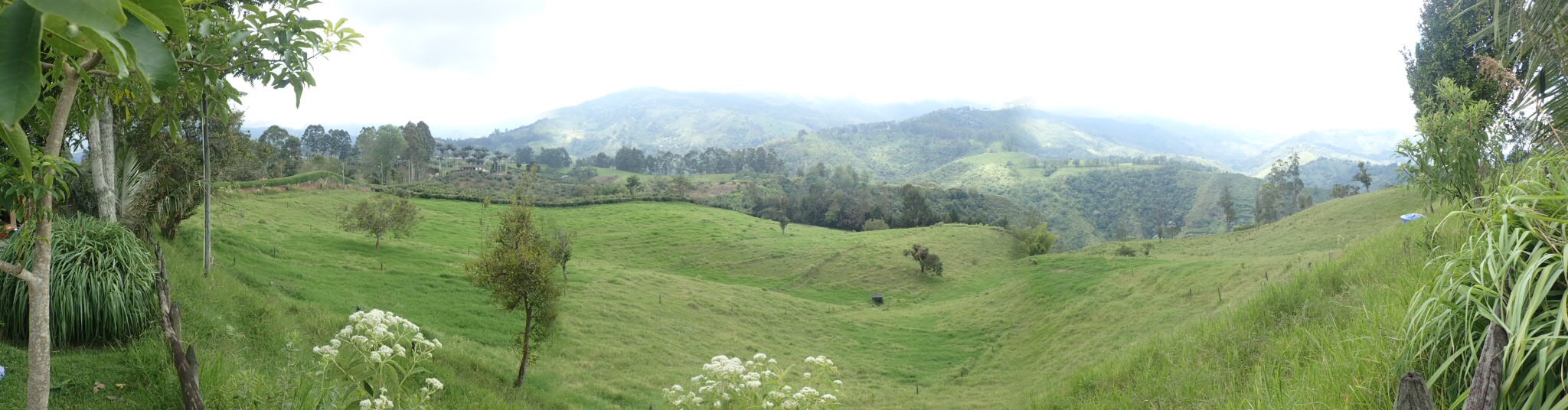
But it’s hard to notice the darkness of a country when you’re constantly surrounded by the natural beauty of incredible landscapes, particularly the soaring green mountains. We mainly traveled by bus and I personally would look forward to the ride to get lost in the views. It was a beautiful contrast to see a major cosmopolitan city like Bogotá or Medellin set amongst towering mountains, it’s quite a site, whether you’re visiting the historic capital of Bogotá, getting off the metro in Medellin, or hanging at a hacienda in Salento, it never gets old. 


Bogotá & Medellin

We arrived in Bogotá at night so we didn’t experience the incredible scenery until the following day, but we were able to experience the crisp weather which was great coming from sweltering Cuba. We stayed in the historical neighborhood of Candelaria, also the backpacker neighborhood, so we didn’t have to stray far to get our daily fix of culture. We had our own private rooms at the Casas in Cuba and were now on the hostel route sharing a room with fellow vagabonds who we nicknamed based on where they were from – San Francisco, Korea, South Africa and Australia. One young man asked if we were on break from school ☺️ of course we were! We were hoping to find an American ex-pat bar to celebrate July 4th but settled for a pub and enjoyed classic American burgers under a heat lamp in the 50 degree weather. 

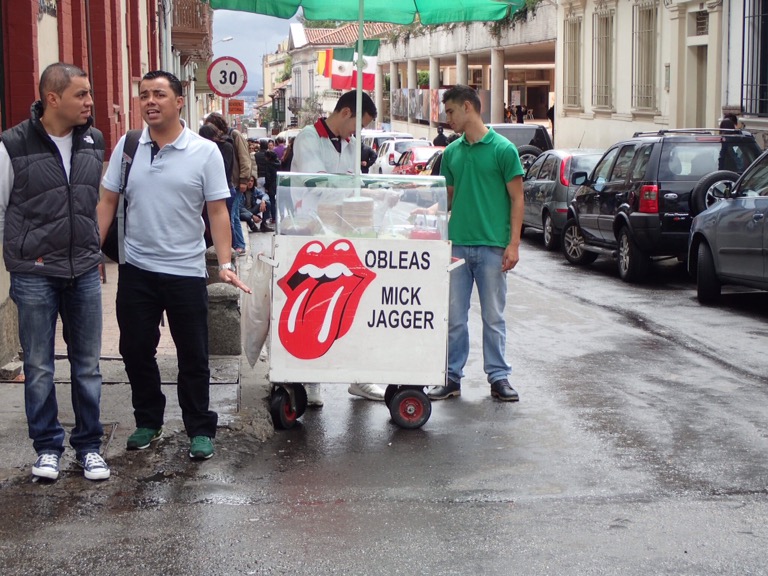
Bogotá will always be memorable because it’s when we were introduced to Lulo juice. On our very first night, our waiter persuaded us to order it and it was the best decision ever. It’s a tangy Caribbean fruit that’s popular throughout the entire country and we were addicted. I also indulged in obleas, the specialty dessert predominately found in Bogotá. It’s two thin, crisp waffle cookies with a variety of sweet spreads on the inside. The traditional flavors are arequipe (Colombian caramel that is highly addictive), raspberry jam and shredded cheese. A lot of the oblea stands had pictures of Mick Jagger’s lips because he visited at some point in time and tried them as well, I guess the locals were impressed. We also ate arepas- traditional cornmeal pancakes filled with a variety of cheese, meat, veggies, and we also found our new favorite Colombian coffee chain- Juan Valdez. 

Medellin was hands down my favorite city of Colombia and I could totally see myself living there. The city is nicknamed the “city of eternal spring” because of the perfect year round weather. It’s a cosmopolitan city with everything you could think of, rich history as well as modern amenities, and also a big social scene. Despite its sad and violent past, it’s truly an awesome city worth visiting. We stayed in the Pablado neighborhood which was trendy and where all the action happened, and we ended up staying longer than planned because we enjoyed it so much. We took a day trip to Guatapé, a charming little town with colorful houses straight out of Disney World and climbed La Piedra, the giant 740 step rock to see incredible views of the rock formations. 

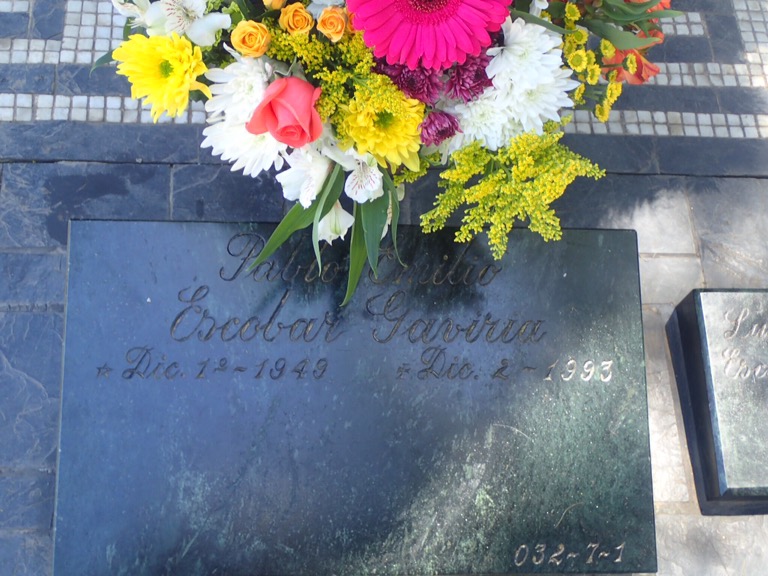
Medellin is also where we took the Pablo Escobar tour and learned not only about him, but the cocaine business’s impact on the city and the country. At the beginning he was loved by much of the poor because of his donations and contributions to those communities, basically winning people over to get a seat in Congress that promised him immunity. He was eventually hated by the majority of Colombians because he destroyed the city of Medellin with non-stop violence no matter if you were affiliated with the cartels or not. Car bombs, mall bombs, airplane bombs, animal bombs, kidnappings, no one was off limits and there was no escaping it. It was so engrained in Colombians of all ages that kids used to joke about what Pablo Escobar’s daughter would get for Christmas- a Barbie car bomb. We rounded out the tour by visiting the house where he was murdered and captured, as well as visiting his grave. Even though he’s dead, the cocaine game in Colombia is unfortunately still going strong and corruption from various countries still facilitate it. 


The Caribbean Coast

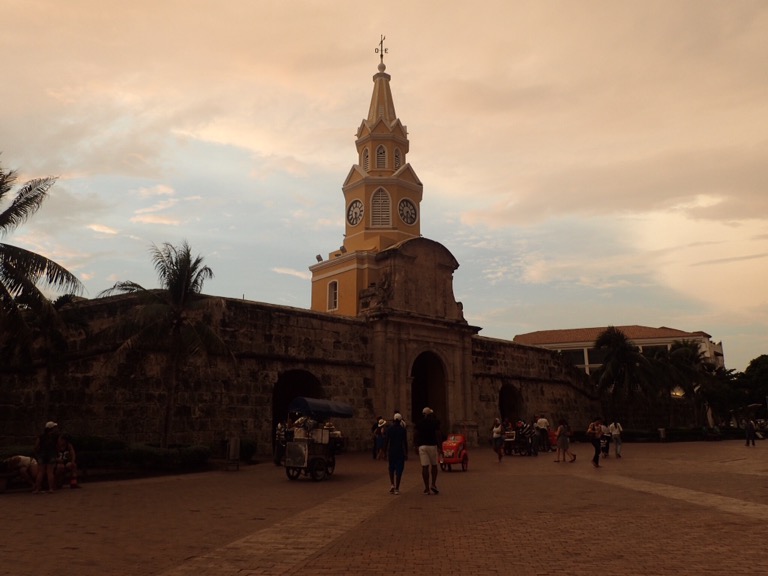
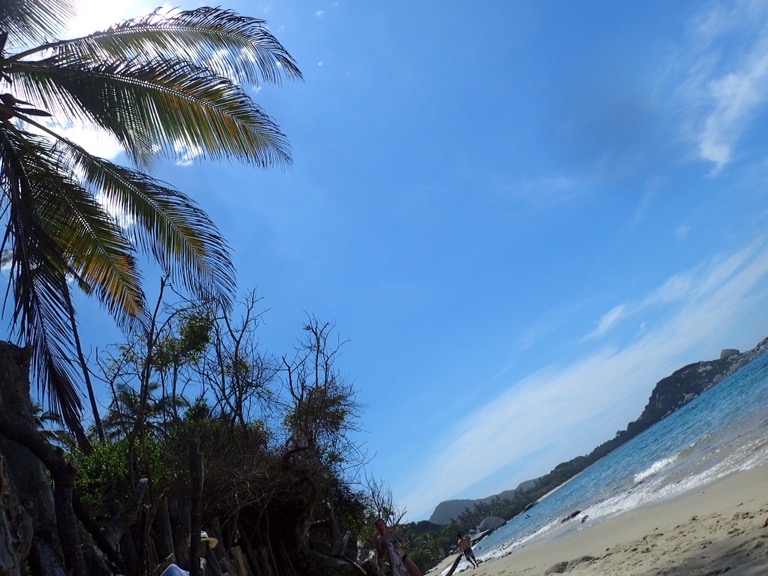
We ventured back up into the heat to visit the magical city of Cartagena. The city is a mix of Afro-Caribbean culture as well as old world European influence from the architecture to the food. The historical Walled City is a UNESCO Heritage Site that preserves the antiquity of a scene you might imagine from a Gabriel Garcia Marquez novel. We spent a few days in Santa Marta mainly to hike Tayrona National Park to visit its private, untapped beaches. 


Salento

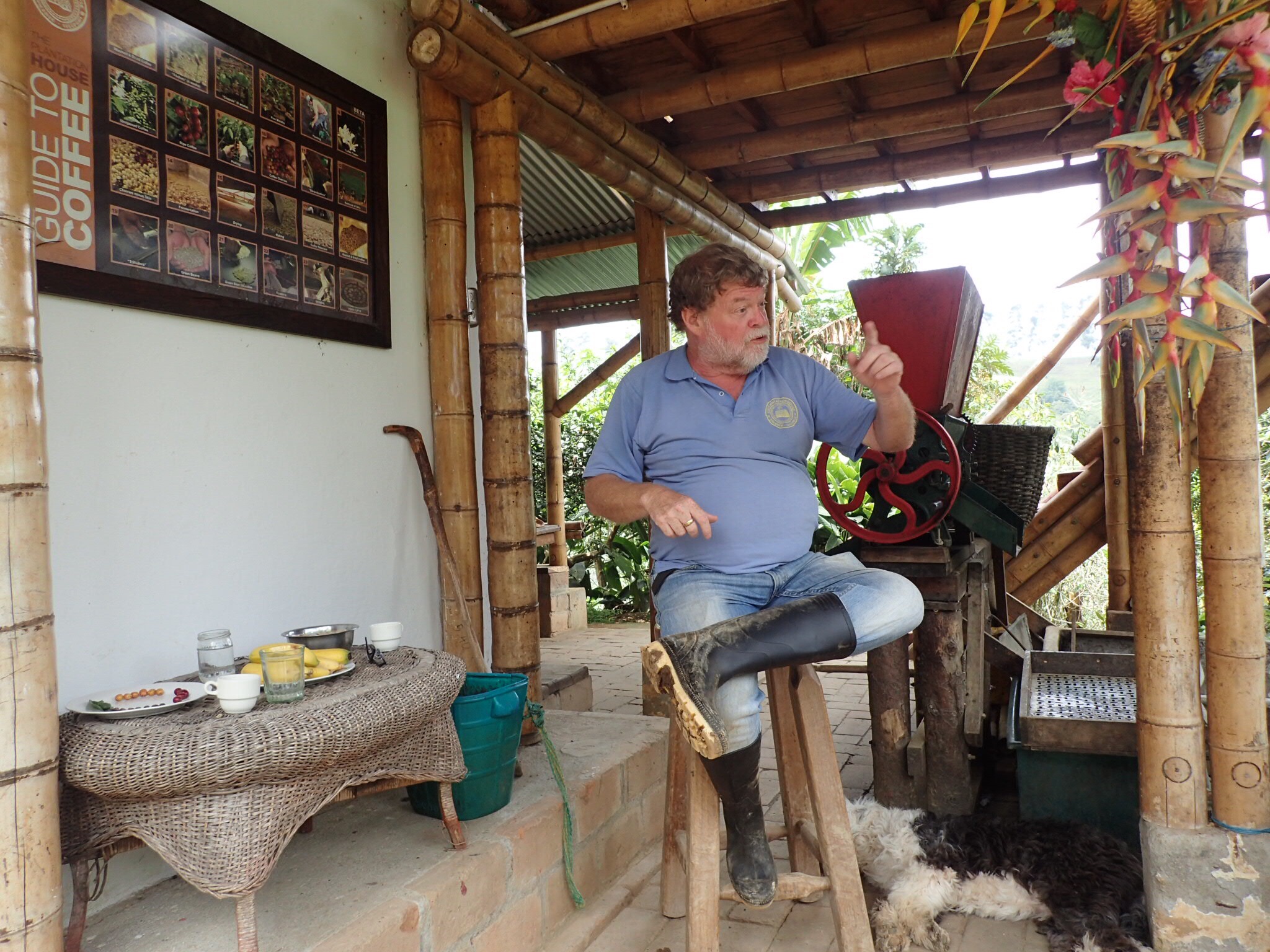
Salento was my second favorite place after Medellin. It’s a nice break from city life and it was nice to be back in more temperate weather. Our hostel was on the outskirts of town, a 20 minute scenic walk down a dirt road surrounded by pastures, palm trees and mountain ridges. Salento is the coffee region and we took a tour of a coffee farm run by an Englishman who transplanted here 10 or so years ago and changed his name to Don Eduardo to fit in. He stands by the integrity of his coffee farm and isn’t interested in mass producing just to make money. We saw the roasting process in a wok on the stove, then the grinding, and then slow dripped into a delicious cup of coffee. The majority of quality coffee from Colombia is exported and, with the exception of some farm to cup cafes, domestic coffee is low quality which was disappointing to hear. 

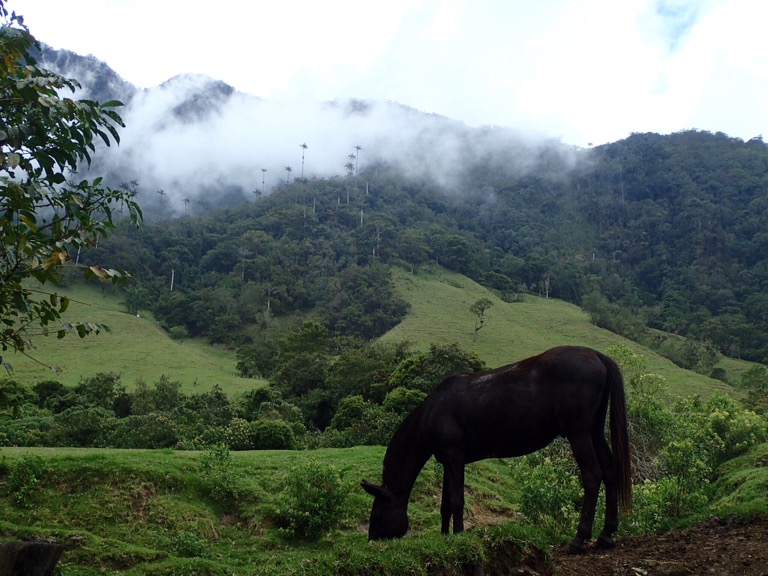
Another adventure was hiking 6 hours in Cocora Valley to be up close and personal with the 70 meter Wax Palms. We got lost, as most hikers do because the signs are poorly displayed, so we had to backtrack with another group of people after already climbing an intense vertical path. We then trekked up another brutal incline but we finally made it just before dark (it gets dark here at 6:30pm). The trees were amazing and it was worth it. Seeing them high in the mountains lost in the mist made us obsessed! We didn’t want to leave. 


Salento definitely has a backpacker, hippie vibe with all of the hole in the wall bars, street musicians, and artisan craft stores. It’s quite small and our English coffee guide said it has definitely changed since he arrived 10 years ago. It’s become so touristy that it’s lost its unchartered originality because the locals jump on the tourista bandwagon. It was a great place to hang, relax and also play Tejo, the national sport where you have to throw a metal disc on a clay board and try to aim for the explosive gunpowder targets, which are extremely loud, but worth the fun. 

Colombia is definitely on my list of places to return and I was personally very sad to leave, but I had no idea what I was in store for when visiting Montanita, Ecuador (which is mainly why I didn’t finish this post sooner)..but I’ll get into that next….

Cuba: days 3-16

It doesn’t get more Cuban than patiently waiting for our continuously delayed flight, sipping on Cristal (the local beer, not fancy champagne) while trying to compile 2 weeks worth of memories of this enchanted, forgotten, and forbidden country. 
When we first arrived in Cuba we honestly had no idea what to expect. We came for the scenery & culture but ended up getting so intrigued by the politics of the country that we ended up spending a lot of our wifi time (I’ll get into that later) doing research on the Cuban Revolution, the history of the country, the key revolutionary players, and how this all lead to current day Cuba. As an American, the only real connection to Cuba is through the brief overview you might learn in school of the revolution, or through online pictures of the old cars and buildings that show how Cuba is “frozen in time” or stuck in the past- and that holds true for more than just objects, it also refers to how everything is very slowwwww and inconvenient compared to what we are used to. We had our first test of patience when we had to wait at least an hour to retrieve our luggage at the airport. It’s something you have to get used to so no better time than when you first arrive! This trip is one that many Americans haven’t had the opportunity to experience so I was beyond excited to be in Cuba from the minute we touched down and stepped out into the thick Caribbean heat. 

We decided to make accommodations at a Casa Particular, which is where you rent a room in a house and stay with a Cuban family. Tons of families do this as their primary source of income throughout all the major cities and we felt this was a better experience than a hotel because the families we stayed with were SO helpful in giving us valuable info and insider tips. It’s also usually more affordable than a hotel. We stayed in Casa Particulars the entire two weeks and every time we visited another city, we would have our current Casa call up a friends or family so that we had a place to stay when we arrived in the next city. Our first Casa in Havana was with Jorge & Isabell in the Old Havana neighborhood. Old Havana is the neighborhood that had the most charm of neighborhoods we visited, in my opinion. European architecture dominates with detailed finishings, columns, vibrant colors, classic plantation shutters, and even the deteriorated and crumbling buildings still have that last bit of elegance. Then of course add in a classic 1950’s car and the palm tree backdrop and it’s hard to put your camera down. It’s like you’re on the set of an old Hollywood movie. The entire country, specifically Havana, was an overload for the senses and I think more so for us being American and not really having access until recently. 

Culture:

Every morning we started our day off with Cuban coffee prepared by our Casa Mamas, since the women of the cases predominately take care of the guests, with the exception of Roberto at our last Casa, although we came to the conclusion that his wife must have been out of town because he didn’t seem to be as hospitable. If we didn’t have coffee in the morning we would make it a mission to stop into one of the many cafes along the street to get some. It is the best and will have you charged up the entire day. We also would head to a hotel, a park, or the middle of the street to use wifi. These are the only places where wifi is located for use by all people, Cubans and tourists, and you always know when you’re in a wifi hot spot because all of a sudden you’ll see a congregation of people on their phones. No one in Cuba has wifi in their homes and when we read online before visiting about having to go to the park we were cracking up, but it was totally true. As a tourist, you have to purchase a wifi card which is $2 (more expensive if you buy from a hotel) and you get an hours worth of time that can be used intermittently as long as you sign off each time. It was a nice break being disconnected from the real world (apparently a lot of important things were happening that we weren’t aware of #brexit) but also interesting since every time you want to go online you have to venture out and be conscious of your one hour time limit. In two weeks we probably bought about ten wifi cards per person. 

Another interesting part of the culture was the two currencies. Basically, one is for locals and one is for tourists. The tourist currency, called the Convertible Peso or CUC, is worth more and is what is expected from tourists. It also has a one-to-one ratio with the U.S. dollar, so things aren’t much cheaper as a tourist, although it is cheaper than U.S. prices at home. The Cuban Peso is for locals and it’s what the majority of Cubans get paid in, with the exception of some people who work in tourism (Casa Particulars, tips at restaurants, etc). It’s best to try and convert some of your CUCs into CUPs to buy street food, take the bus, etc. because it’s much cheaper. Some places will notice you’re a tourist and make you pay in CUCs and they are allowed to discriminate. We thought it was the most bizarre thing ever because we’ve never been to another country that has two currencies. Even though the locals get paid the majority of their wages in Cuban Pesos, a lot of consumer goods are sold in Convertible Pesos making it extremely expensive for locals since the Convertible Peso is 25 times the amount of 1 Cuban Peso. 

Havana:

We hit up the usual tourist spots in Old Havana which come highly recommended because, hey, we are tourists- La Floridita, a daiquiri spot made famous by Hemmingway that has a statue in his honor and also a photo of him and Fidel hanging right behind on the wall. It’s so touristy that we ran into BonJovi and met a fellow traveler from the U.S. who helped Cara secure a photo with her hometown idol. We strayed away from the tourist route for some local nightlife and ended up at Cafe Tilin where we saw our WCW’s- Son de Clave (not sure if that’s their correct name after asking several people)- a girl salsa band that was by far the most talented musical act of the trip. 

During the day in Havana we decided a tour of the city in a classic hot pink Buick Century would be the “cooler” option than the double decker bus, given that the car’s appearance was the same from 60 or so years ago. While roaming through the city we noticed a lot of cold stares from locals hanging on their front steps or in the streets, some people ended up being warmer than others and interested in making conversation or helping with directions. We also noticed that there wasn’t one western chain store in sight (and we noticed this throughout the entire country), and it was a refreshing experience. The food is traditional Caribbean unless you go to a fancy hotel or restaurant. Most of the street food is ham and cheese, pressed sandwiches, rice, beans, plantain, chicken, pork or beef. I must have eaten more jamon y queso (ham and cheese) sandwiches than I have in my entire life. The only thing we noticed from back home was a can of Pringles, which sold for about the same or more than the U.S. Towards the end of the trip we ate A LOT of Pringles since we were starting to miss the familiarities of home. We smoked our first Cuban cigars at Bar Maximo around the corner from our Casa and then grabbed some beers to take with us across the street to the famous Malecon (the highway that runs alongside the bay) and hung out there with other locals who were drinking, talking, or fishing in the moonlight. 


Viñales & Trinidad:

Viñales was my favorite place to visit aside from Havana. It’s the countryside and it’s absolutely stunning. Waking up and having breakfast with lush mountain vistas in the background doesn’t get any better. We were lucky to link up with a local guide to take us on a hike through the farmlands, mountains, caves, and most importantly, to visit the Casa de Tobacco and meet a farmer who grows tobacco and hand rolls it. Cuban farmers have to give 90% of their tobacco crop to the government (in return for no compensation) and the government then processes the tobacco and sells it under big brand names for a much higher price. Most farmers end up not growing tobacco since they are only left with 10% to sell themselves. Viñales is a small, quiet town where you’ll see horse carts and oxen on the same street as 1950’s Ford cars. We were lucky to hang with our tour guide who invited us out to the local Casa de la Musica for live salsa and Havana Club rum. 

Trinidad was lovely as well with its charming cobblestone streets and multicolored houses. We ended up visiting at just the right time for Carnival weekend where we joined the locals for music, dancing, drinking, and the parade. Trinidad is on the coast where the beaches are located and we rented bikes to cruise along the peninsula and enjoy the tranquil white sandy beaches. We were channeling our inner Lance Armstrong for that intense ride back into town during the rain! 


People & Politics:

It was interesting to see local peoples’reactions when we told them we were from the US. Most responses were, “really?” or a stunned facial expression. Some people were very excited we were American and were happy that Cuba had “another friend.” One man we spoke to on the Malecon didn’t understand why we would want to come to Cuba and we ended up having conversations with locals about the country from their perspective. They do have pride in their country but also shared their grief about how the government is run, how people don’t care about their jobs since there’s no monetary incentive, the lack of access to the outside world, the fact that they can’t really travel outside of Cuba without an invitation and approval from another country. Most are denied even the smallest opportunities we take for granted. Food and other items at the local markets are rationed and items such as rice, beauty products, candy, etc. are kept behind the counter. Things also run out quickly, whether you wanted to buy toilet paper at the market or you’ve been wandering around in the heat and stop to enjoy your favorite flavor of ice cream at the Heladería, when there isn’t any left for the day, that’s that. 

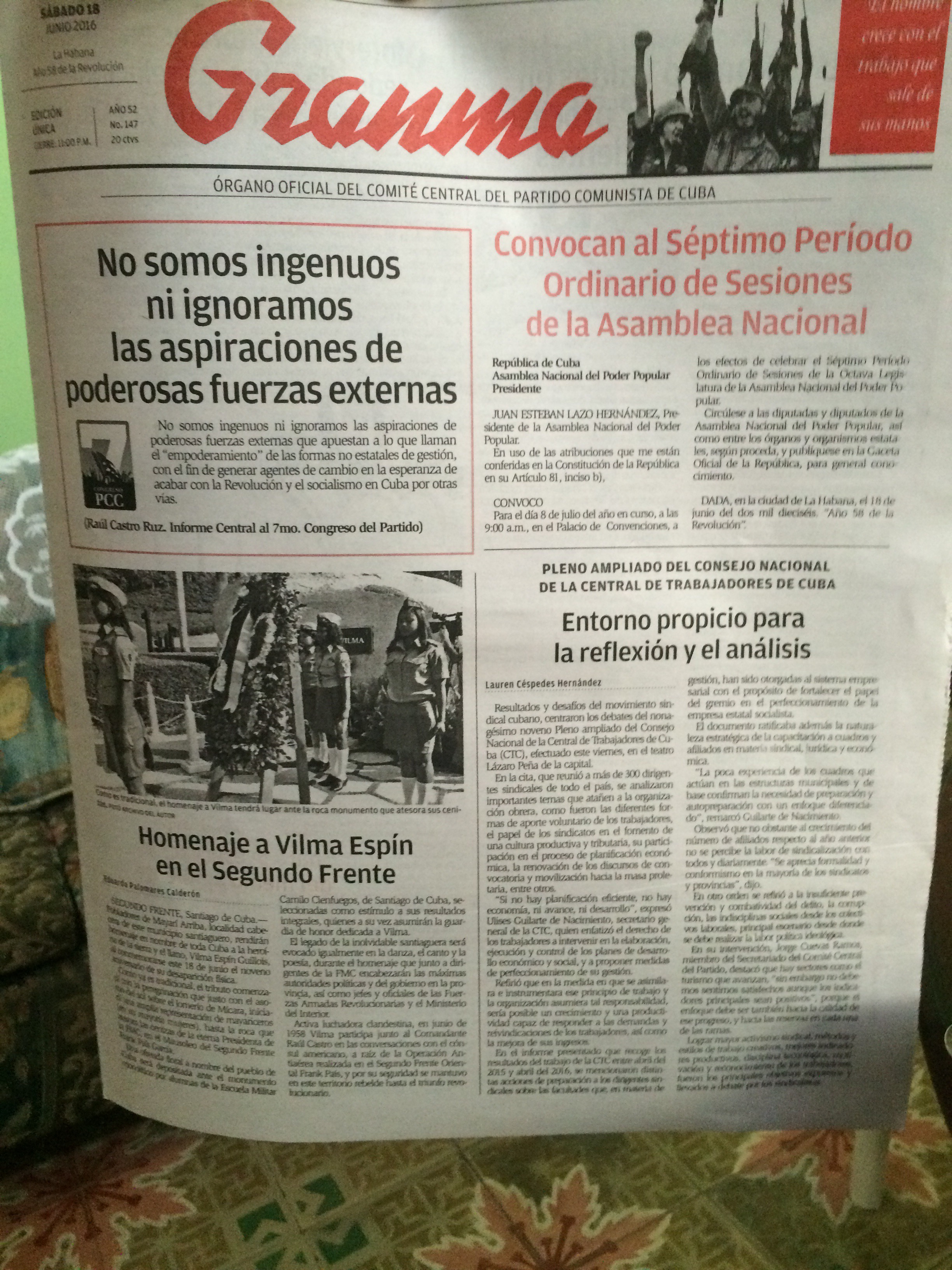
Fidel & Raul Castro, along with Che Guevara and a handful of others truly revolutionized Cuba at the very beginning, taking away the tyrannical power that once ruled and giving it back to the majority of Cubans who were severely neglected and suppressed. A lot of social injustices at the time were fixed, but modern day Cuba doesn’t seem to reflect those ideals. Throughout our bus rides from city to city we saw tons of revolutionary propaganda signs, billboards, murals from 60+ years ago that are still all over the country, loved by some and despised by others. It’s interesting to visit a communist country when we come from a place at the opposite end of the spectrum where capitalism has been running through our blood from the time we’re born, which has its own flaws, and it shows that no government will ever be perfect. 

Cuba was overall an awesome experience and I’m glad we added this to the World Tour itinerary as it wasn’t part of the original plan. Would I visit again? Maybe in the far future. Two weeks was honestly enough time to see the country and experience the culture, and I was ready for the next adventure in Colombia!