Cocaine, Pablo Escobar, drugs, cartels, violence, kidnappings, murder, extortion, corruption, bombings, fear- thoughts many people would associate with Colombia.
Stunning landscapes, majestic mountains, friendly locals, arepas, obleas, arequipe, pride, native traditions, cosmopolitan cities, quaint countrysides, neon pastel towns, fresh fruit juice, salsa, tejo, history, coffee, Lulo, Juan Valdez, Caribbean & turquoise waters, are the thoughts that come to my mind after visiting. I am absolutely in love with Colombia. I know it’s only the second country we’ve visited on the World Tour and there will be other fascinating places, but it’s rare to travel throughout an entire country and be amazed by every area. We spent time in Bogotá, Medellin, Cartagena, Santa Marta, and Salento, and every city was wonderful in its own unique way.
Night & Day
Colombia definitely has a dark past, one that hasn’t totally healed since it wasn’t too long ago when drug cartels were its main claim to fame. Colombians are aware of this and every tour guide mentioned it, but they also mentioned that they’re proud to be on a better path and they highlighted the characteristics of their country that are generally overlooked. They’re working to educate and bring awareness to younger generations of Colombians and tourists alike, instead of just sweeping it under the rug and pretending it didn’t exist as a crucial part of their history. Colombians did mention that although they’re clearly aware, they’re not usually open to discuss the touchy subject with tourists and bring anymore celebratory fame to Pablo Escobar and the cocaine business. Our Pablo Escobar guide even had to speak softly when explaining details as we stood out in front of one of his 500 Medellin homes, this one specifically where a car bomb was detonated by his major rival, the Cali cartel. She explained the reasoning for this was not to offend Colombian passersby by glorifying Escobar any further. There’s always a difference of opinion between glorification and education.
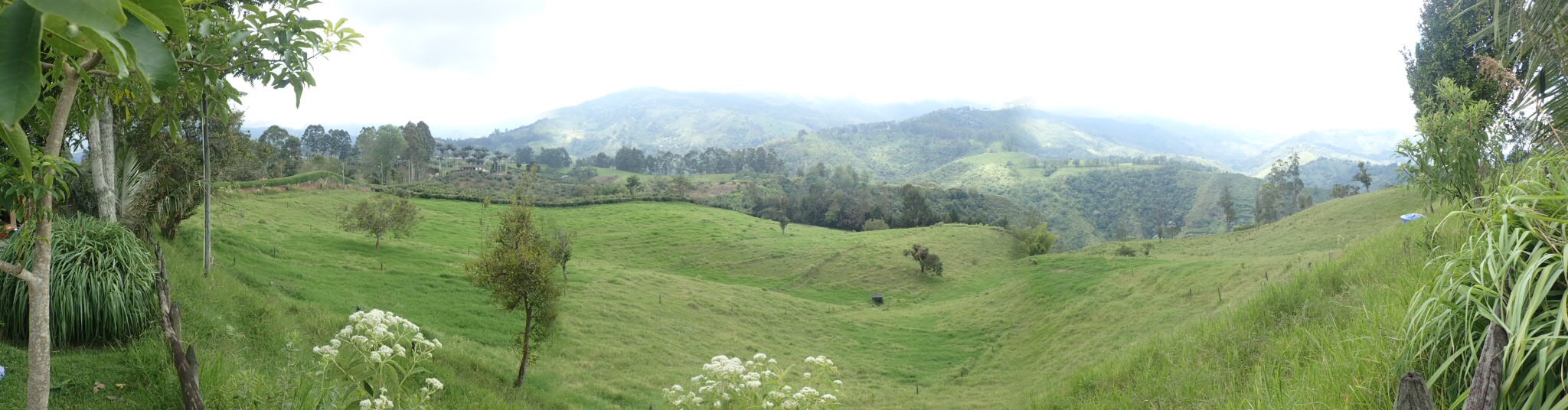
But it’s hard to notice the darkness of a country when you’re constantly surrounded by the natural beauty of incredible landscapes, particularly the soaring green mountains. We mainly traveled by bus and I personally would look forward to the ride to get lost in the views. It was a beautiful contrast to see a major cosmopolitan city like Bogotá or Medellin set amongst towering mountains, it’s quite a site, whether you’re visiting the historic capital of Bogotá, getting off the metro in Medellin, or hanging at a hacienda in Salento, it never gets old.
Bogotá & Medellin
We arrived in Bogotá at night so we didn’t experience the incredible scenery until the following day, but we were able to experience the crisp weather which was great coming from sweltering Cuba. We stayed in the historical neighborhood of Candelaria, also the backpacker neighborhood, so we didn’t have to stray far to get our daily fix of culture. We had our own private rooms at the Casas in Cuba and were now on the hostel route sharing a room with fellow vagabonds who we nicknamed based on where they were from – San Francisco, Korea, South Africa and Australia. One young man asked if we were on break from school ☺️ of course we were! We were hoping to find an American ex-pat bar to celebrate July 4th but settled for a pub and enjoyed classic American burgers under a heat lamp in the 50 degree weather.

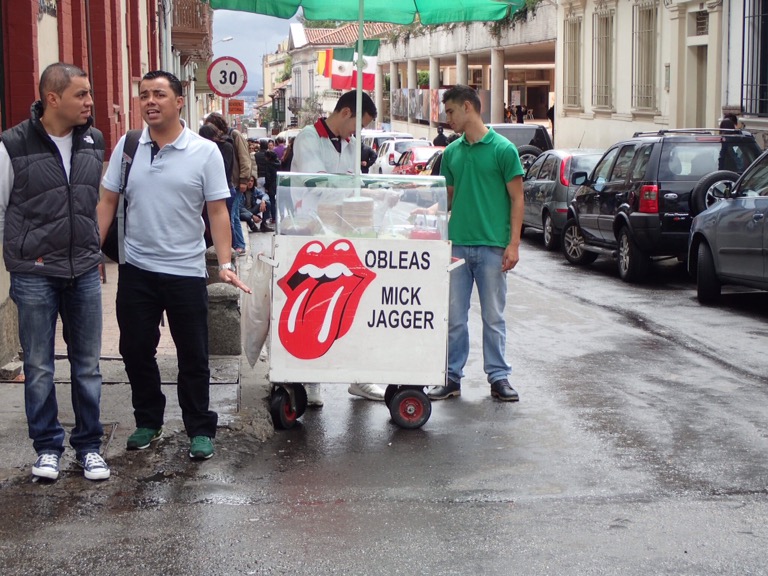
Bogotá will always be memorable because it’s when we were introduced to Lulo juice. On our very first night, our waiter persuaded us to order it and it was the best decision ever. It’s a tangy Caribbean fruit that’s popular throughout the entire country and we were addicted. I also indulged in obleas, the specialty dessert predominately found in Bogotá. It’s two thin, crisp waffle cookies with a variety of sweet spreads on the inside. The traditional flavors are arequipe (Colombian caramel that is highly addictive), raspberry jam and shredded cheese. A lot of the oblea stands had pictures of Mick Jagger’s lips because he visited at some point in time and tried them as well, I guess the locals were impressed. We also ate arepas- traditional cornmeal pancakes filled with a variety of cheese, meat, veggies, and we also found our new favorite Colombian coffee chain- Juan Valdez.
Medellin was hands down my favorite city of Colombia and I could totally see myself living there. The city is nicknamed the “city of eternal spring” because of the perfect year round weather. It’s a cosmopolitan city with everything you could think of, rich history as well as modern amenities, and also a big social scene. Despite its sad and violent past, it’s truly an awesome city worth visiting. We stayed in the Pablado neighborhood which was trendy and where all the action happened, and we ended up staying longer than planned because we enjoyed it so much. We took a day trip to Guatapé, a charming little town with colorful houses straight out of Disney World and climbed La Piedra, the giant 740 step rock to see incredible views of the rock formations.

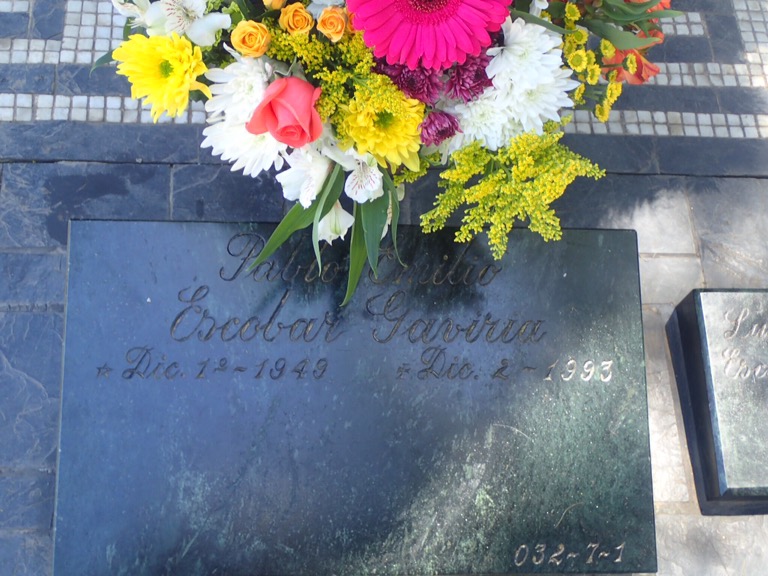
Medellin is also where we took the Pablo Escobar tour and learned not only about him, but the cocaine business’s impact on the city and the country. At the beginning he was loved by much of the poor because of his donations and contributions to those communities, basically winning people over to get a seat in Congress that promised him immunity. He was eventually hated by the majority of Colombians because he destroyed the city of Medellin with non-stop violence no matter if you were affiliated with the cartels or not. Car bombs, mall bombs, airplane bombs, animal bombs, kidnappings, no one was off limits and there was no escaping it. It was so engrained in Colombians of all ages that kids used to joke about what Pablo Escobar’s daughter would get for Christmas- a Barbie car bomb. We rounded out the tour by visiting the house where he was murdered and captured, as well as visiting his grave. Even though he’s dead, the cocaine game in Colombia is unfortunately still going strong and corruption from various countries still facilitate it.
The Caribbean Coast
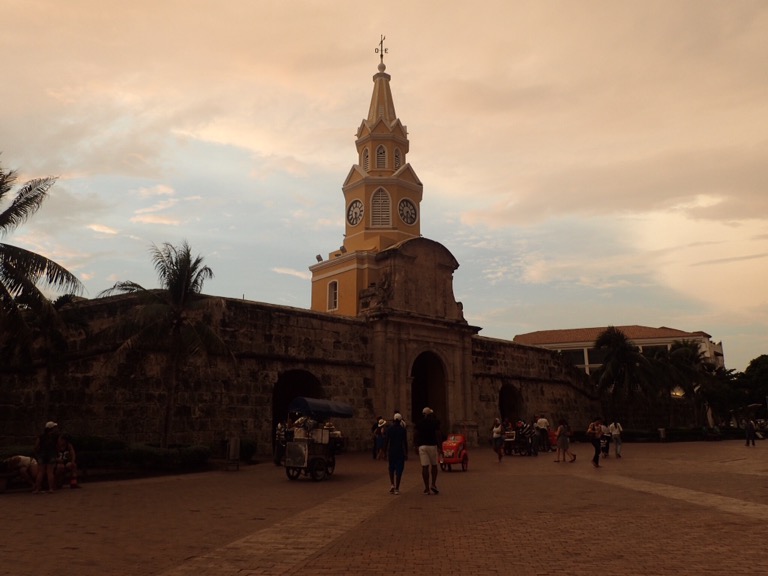
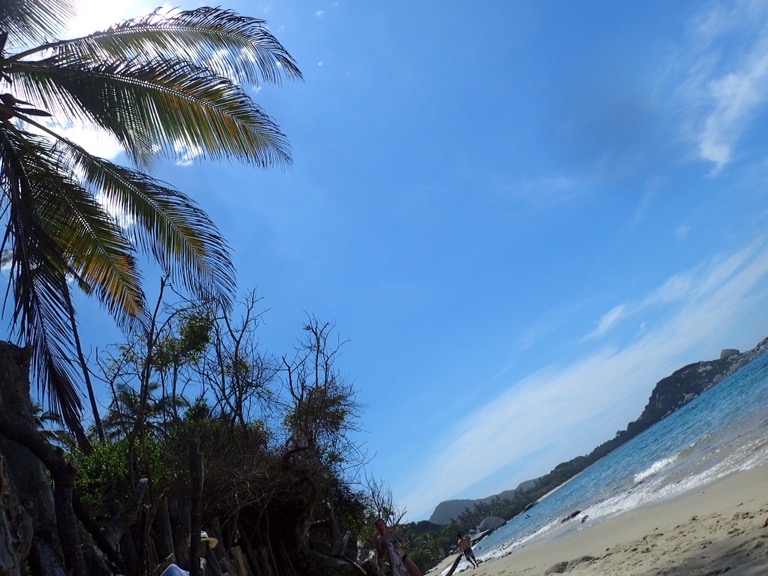
We ventured back up into the heat to visit the magical city of Cartagena. The city is a mix of Afro-Caribbean culture as well as old world European influence from the architecture to the food. The historical Walled City is a UNESCO Heritage Site that preserves the antiquity of a scene you might imagine from a Gabriel Garcia Marquez novel. We spent a few days in Santa Marta mainly to hike Tayrona National Park to visit its private, untapped beaches.
Salento
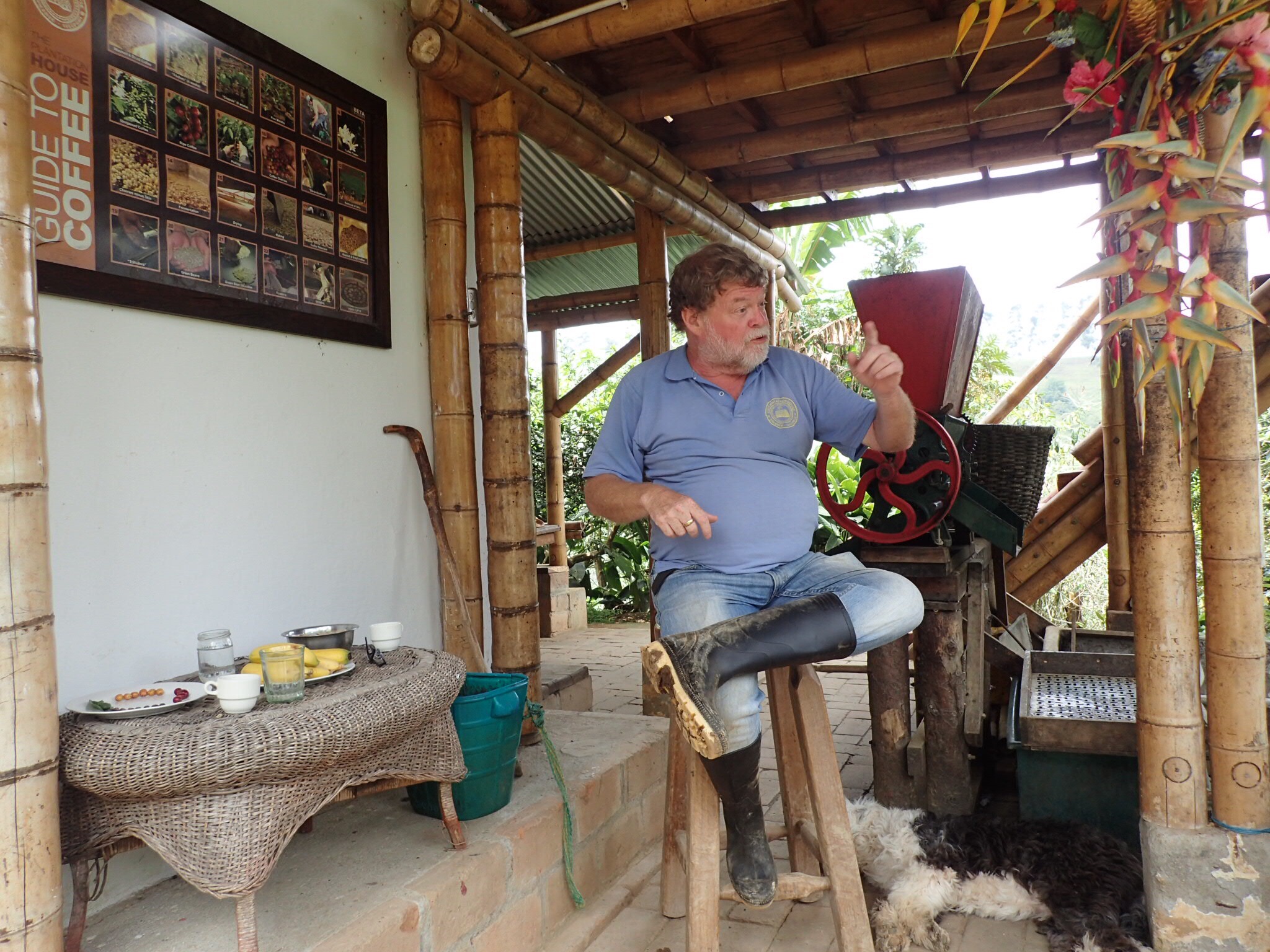
Salento was my second favorite place after Medellin. It’s a nice break from city life and it was nice to be back in more temperate weather. Our hostel was on the outskirts of town, a 20 minute scenic walk down a dirt road surrounded by pastures, palm trees and mountain ridges. Salento is the coffee region and we took a tour of a coffee farm run by an Englishman who transplanted here 10 or so years ago and changed his name to Don Eduardo to fit in. He stands by the integrity of his coffee farm and isn’t interested in mass producing just to make money. We saw the roasting process in a wok on the stove, then the grinding, and then slow dripped into a delicious cup of coffee. The majority of quality coffee from Colombia is exported and, with the exception of some farm to cup cafes, domestic coffee is low quality which was disappointing to hear.
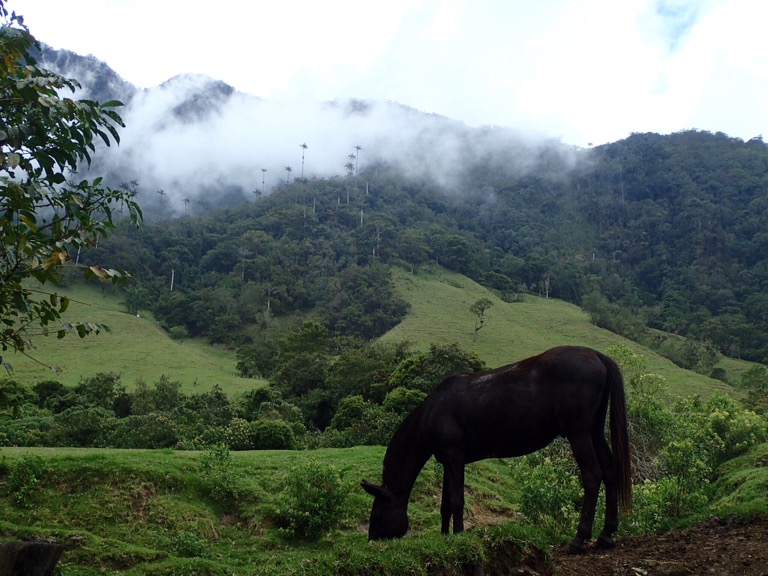
Another adventure was hiking 6 hours in Cocora Valley to be up close and personal with the 70 meter Wax Palms. We got lost, as most hikers do because the signs are poorly displayed, so we had to backtrack with another group of people after already climbing an intense vertical path. We then trekked up another brutal incline but we finally made it just before dark (it gets dark here at 6:30pm). The trees were amazing and it was worth it. Seeing them high in the mountains lost in the mist made us obsessed! We didn’t want to leave.

Salento definitely has a backpacker, hippie vibe with all of the hole in the wall bars, street musicians, and artisan craft stores. It’s quite small and our English coffee guide said it has definitely changed since he arrived 10 years ago. It’s become so touristy that it’s lost its unchartered originality because the locals jump on the tourista bandwagon. It was a great place to hang, relax and also play Tejo, the national sport where you have to throw a metal disc on a clay board and try to aim for the explosive gunpowder targets, which are extremely loud, but worth the fun.
Colombia is definitely on my list of places to return and I was personally very sad to leave, but I had no idea what I was in store for when visiting Montanita, Ecuador (which is mainly why I didn’t finish this post sooner)..but I’ll get into that next….


I LOVE reading your blog Jen! Beautiful photos and your descriptions really seem to capture the essence of the vibe you got from Colombia. I’d be happy to go there with you one day 🙂 -Laura B.
LikeLike
Thx LaBu! I’m glad you enjoyed.
LikeLike